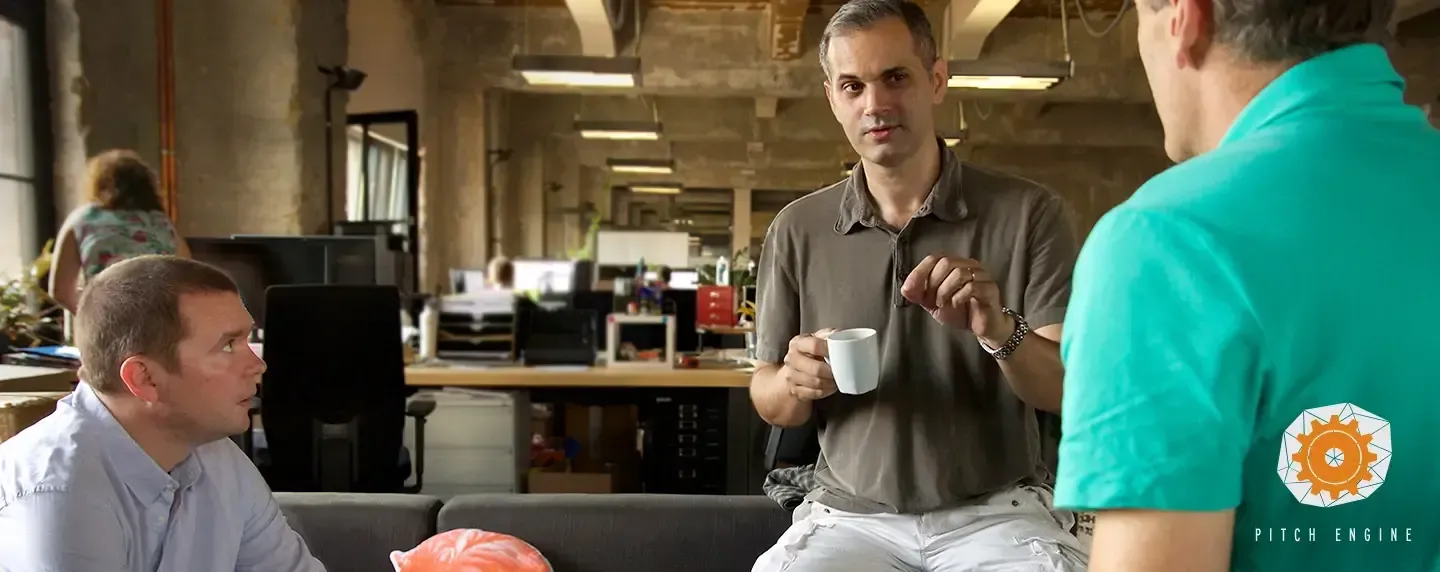

The maturing startup scene in Berlin is driven by a community of people who are inherently motivated to change the status quo. At KAYAK, we wanted to create an initiative which supported the developing ecosystem and tap into the bubbling frisson of interdisciplinary cross-pollination. As such, during the last edition of Tech Open Air (TOA), we launched the KAYAK Pitch Engine; a competition for developers and programmers to present new business ideas.
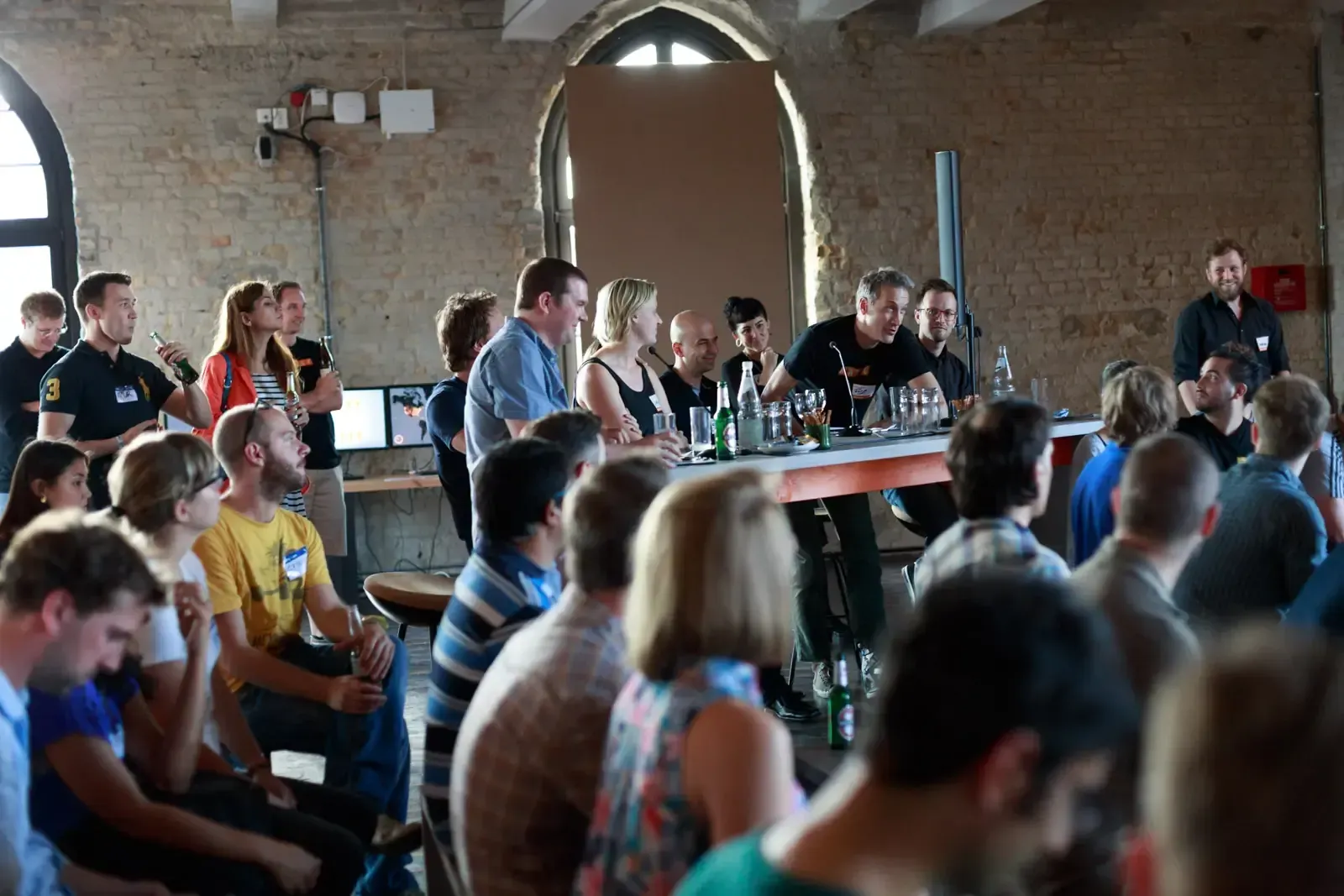
With the aim to promote innovative technologies in Germany, six startups competed with concepts ranging from geo-based data, to travel tip exchange apps and cloud based technologies, to name a few. The winners received a one month residency at the KAYAK Technology Centre, Berlin, with complete access to KAYAK’s expertise and resources during the month of September. Vice President of EU Brand Marketing, Stefan Petzinger says, “The Pitch Engine and the partnership with TOA is part of our drive to support the vibrant tech and startup scene in Berlin.”
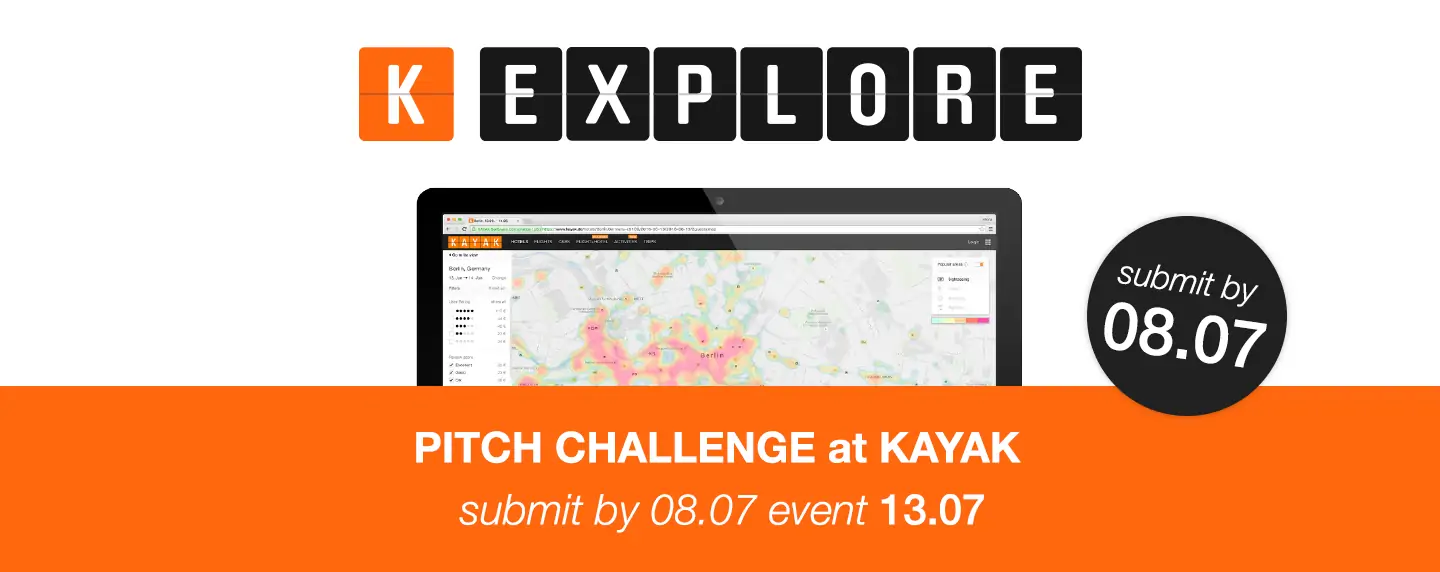
The winner of the Pitch Engine was TopPlace, – an original app which gives its users a guided tour of the most popular attractions, restaurants, hotels, etc. Using a heatmap, the search engine shows at a glance which districts have the highest density of popular attractions, and immediately solves the problem of figuring out how to find hot spots in an unknown city.
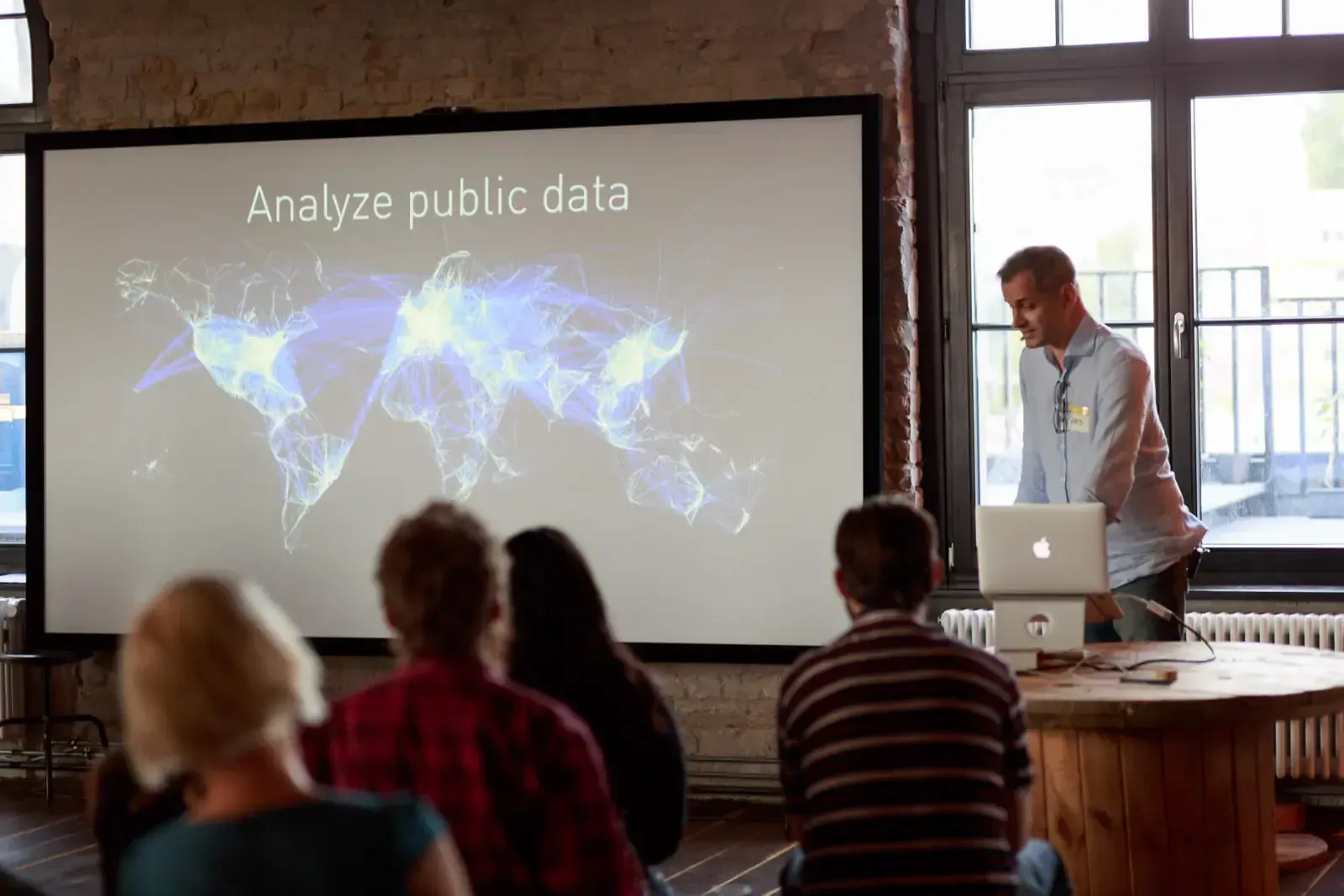
Stefan continues, “We have a great bunch of people from all over the world here in our Berlin office and we love to see them thrive through meeting new ambitious people and their ideas. We are happy to contribute by making the local scene better and stronger.” Within the first week of the residency the concept had been implemented.
We asked the winner and CEO, Founder of TopPlace Alexis Batlle a few questions about their experience at KAYAK.
What was your motivation to take part in the KAYAK Pitch Engine?
KAYAK is one of the most innovative leading companies in the online travel industry, so pitching our project to a jury of seasoned experts and receiving their feedback was already a great motivation. The chance to win a month working within KAYAK’s team was an even greater opportunity to learn, enhance our product and explore cooperation.
Talk us through your time at KAYAK, and what you were able to do with exposure to the team.
After getting to know the leaders of several teams and understanding the basics of processes, we suggested doing a test with our GeoPopularity heatmaps. Things at KAYAK move in very agile way. Within one day the decision was made to go ahead. From that moment on, we worked on integration details, from technical back-end aspects to UI adjustments and localization. We also received feedback from KAYAK’s mobile, marketing and data personnel, giving us a much broader and deeper understanding of the complexities and challenges faced. It was a very enriching experience.
Did the experience raise any question or pose any challenges to your concept?
We came well prepared, with a quite advanced product, but you can never be 100% prepared for a new situation or use case. Part of our product is aimed at the end user and it is very visual. For example, being open to receive feedback and quickly implement some UI changes proved to us that seemingly trivial adjustments can increase user engagement by over 100%. When it comes to an online product everything is only one click away. One has to be willing to try and move fast, optimize quickly, and as a matter of fact, we are doing that all the time. The next challenge will be to communicate effectively its accuracy and time saving potential to users. To begin with we made this short video to give you an idea.
What were the outcomes of the partnership?
Just a week after we started our time at the office, KAYAK had integrated our GeoPopularity heatmaps for part of its US audience. The service has now been expanded across all of KAYAK’s sites in 30 countries and in 18 languages. We’ve also agreed to proceed forward with further integration of our products. The final outcome will depend on the achieved longer term results, which can be properly evaluated after some time. However, I think that on both sides we believe the service is very useful and that we’ll learn a lot along the way.
What’s next for TopPlace?
We are preparing a couple of new product applications, one of which is called Actual Neighbourhoods. Not the traditional definition of official boundaries, but the actual social structure. For example, what are the hipster or posh areas in every city?
The other one is deep profiling of venues. Since we already know the most popular places in every city, we are now collecting more data and digging deeper into it to accurately profile each place. For example, imagine knowing at first glance not only which are the best nightlife spots in a city, but also what kind of persons visit the place and when? Our goal is to excel at extracting accurate social knowledge from data, to help people to easily maximize their real life experiences, especially when traveling.
Image Credits
Top image by Monica de Alwis
Rest by Phillip Primus