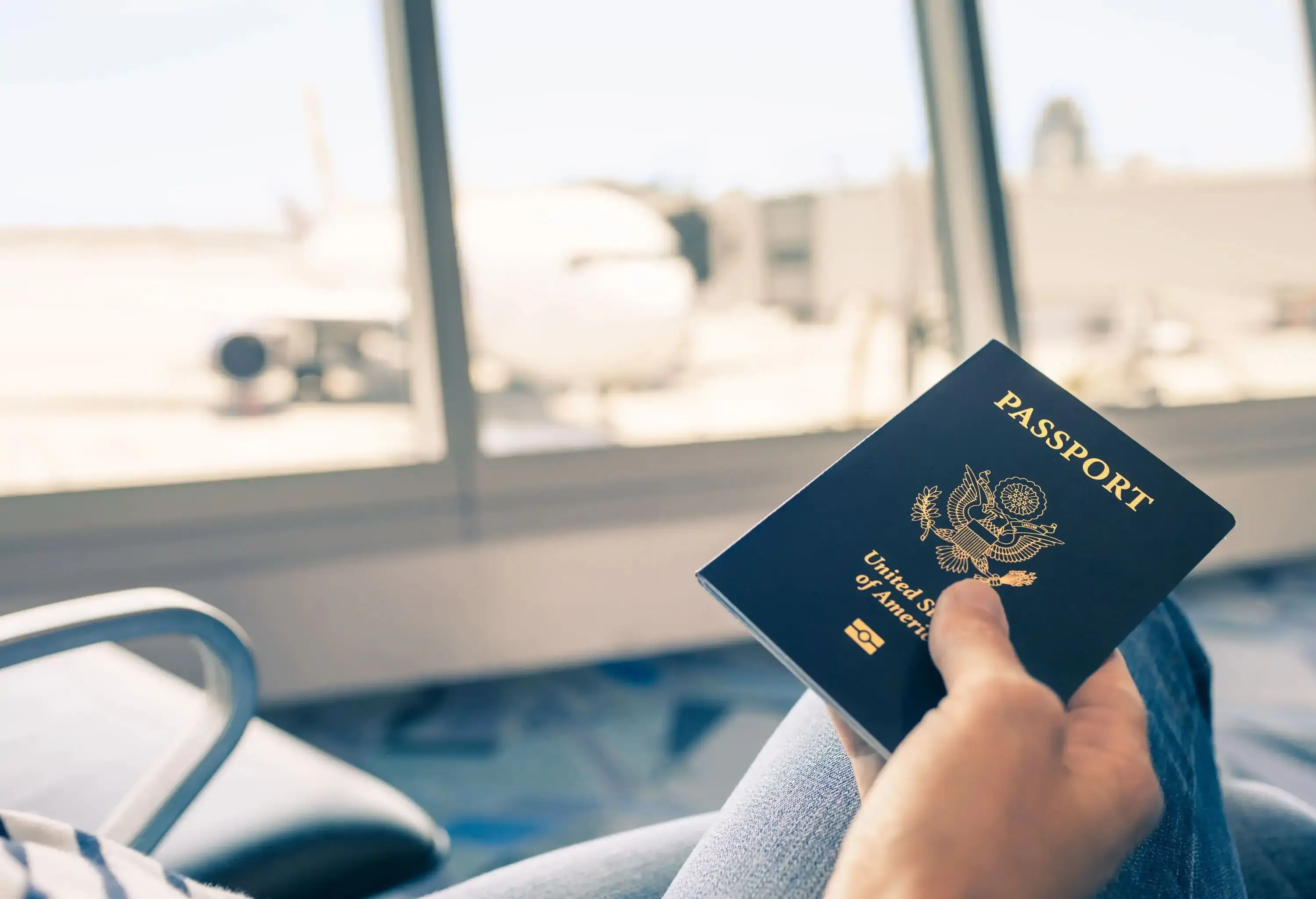

You probably already know you need to have a passport to travel internationally. But what about biometric passports, also known as ePassports? Even if you don’t know what they are, chances are you already have one. Most countries, including the United Kingdom, currently issue biometric passports. Here’s how they work and how they can be really handy for your next trip.
In this post
What is a biometric passport?
How do I know if I have an ePassport?
How does a biometric passport work?
Do I need a biometric passport?
How do I get an ePassport?
Which countries have a biometric passport?
Will the passport become completely virtual?
FAQs
What is a biometric passport?
A biometric passport, also known as an ePassport, is a passport book with an embedded computer chip that contains your personal data. The data matches the information found on your passport’s data page, including your photo.
What biometric data is stored on an ePassport?
In the UK, ePassports store the same biographical data printed on the personal details page (name, date of birth, passport number, etc.) and a digitised facial image on the embedded chip. The chip doesn’t hold information beyond what’s printed on the passport’s data page. The facial image can be used with facial recognition technology, which identifies individuals based on their facial features. UK biometric passports do not include fingerprint data on the chip itself.
Are biometric passports safe?
Yes, biometric passports are safe. UK ePassports use encrypted chips and built-in security features to prevent cloning or skimming (a hacking technique for stealing data from magnetic stripes or data chips). The facial image stored on the chip is the same as the printed photo page, and use of biometric data for passports and border control is governed by UK data-protection law and Home Office policies.
How does a biometric passport work?
Biometric passports contain computer chips (typically embedded within the passport cover or back cover) that store your biographical details and digitised facial image. These chips can be read by electronic scanners at border crossings, which is usually much faster than a manual read by an immigration officer.
In the UK, if your chip malfunctions, UK Border Force guidance confirms that if the e-gate cannot read the microchip, you’ll be referred to an officer for manual checks. While you may still be admitted if other checks pass, some foreign authorities or automated systems outside the UK may require a functioning chip, so replacing a faulty chip or passport before travel is recommended.
How do I know if I have an ePassport?
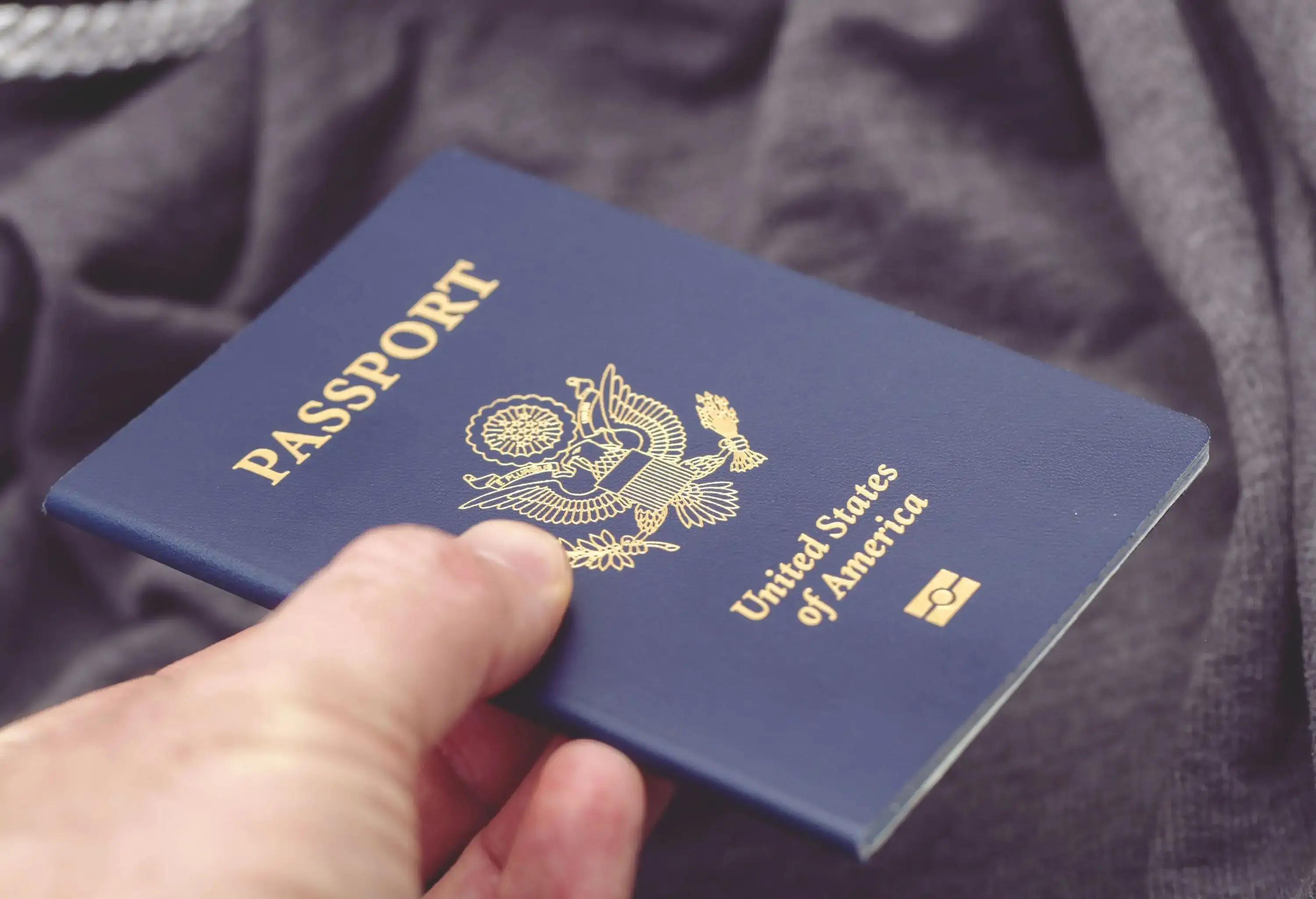
All biometric passports have an international biometric symbol on the cover. This symbol, usually embossed in gold, is a horizontal rectangle with a circle in the middle. If your passport has this symbol on the cover, then you have a biometric passport. Alternatively, check the issue date: all UK passports issued since 2006 are biometric (except emergency travel documents).
Do I need a biometric passport?
For most international travel, you do not need a biometric passport. (You still need a passport in general, though!) But there are some exceptions. For example, to enter the United States under the Visa Waiver Program, you need an ePassport. Always check the immigration policies of your destination country before travelling to ensure you have the proper documentation.
Even though biometric passports are not always necessary, they make international travel easier in many cases. Some international airports have automated border control systems, or electronic gates (e-gates). At e-gates, scanners use biometric technology to verify travellers’ identities and passport information. This is often faster than manual passport checks by humans, which means the queues are usually shorter!
If you’re travelling through an airport that has e-gates, read the signage or ask an airport employee to ensure your passport is compatible with the e-gates. Automated border control (e-gates) accept biometric passports, and eligibility varies by location and nationality. In some places, only certain countries’ passports are permitted to use the e-gates.
How do I get an ePassport?
In the UK, all standard passports issued by HM Passport Office include an electronic chip (ePassport). Simply follow the standard passport application process, and you’ll receive a biometric passport. If you’re applying for a passport for the first time, you may need to attend an identity interview at an HM Passport Office. You can submit your application online or at a Post Office using the Check and Send service. If you’re renewing a valid passport, you can do so online.
If your passport expires, you can apply for a renewal as normal. For passports that have been expired for an extended period, additional documentation or interview requirements may apply, so check GOV.UK or contact the Passport Adviceline before applying to confirm the correct application route.
Which countries have a biometric passport?

According to the International Civil Aviation Organization, more than 140 states and non-state entities (such as the European Union) issuing ePassports, with over 1 billion ePassports in circulation. Issuance practices vary by country, and some states may still issue alternative travel documents or have transitional arrangements. The exact count may change as more states adopt the standard, so consult ICAO and national issuing authorities for current lists.
Is there an ePassport for the UK?
Yes, all standard British passports issued by HM Passport Office are biometric passports, or ePassports. The only exception is Emergency Travel Documents (ETDs) or emergency passports issued by a British Embassy or Consulate. Because these documents need to be issued quickly, they are paper-only documents without the biometric chip.
When did the UK start issuing biometric passports?
The UK started issuing biometric passports in 2006. Given routine issuance since 2006 and typical 10-year validity for adult passports, most currently valid standard British passports are biometric. Exceptions include emergency travel documents and very old books still within validity for special circumstances, so always check the passport cover for the biometric symbol.
Will the passport become completely virtual?
The future of international travel may indeed be paperless. Some countries are testing travel with digital documents, in which travellers do not need to use their physical passports. Instead, their information would be attached to their smartphones – or perhaps even to their faces via facial recognition technology.
While we might be moving towards a paperless future in international travel, it will likely take quite some time to implement the technology worldwide. So, for now, make sure you have a biometric passport!
Frequently asked questions about biometric passports
You’ll need proof of British nationality (e.g., birth certificate, naturalisation/citizenship certificate, or expired/previous British passport), a valid identity document, a suitable passport photo, and supporting documents where relevant (e.g., marriage certificate for a name change or evidence of parental responsibility for child applications). Check GOV.UK for the full list that matches your situation.
HM Passport Office typically issues passports within about three weeks. First-time adult applications, replacement applications after loss/theft, or applications requiring extra checks can take longer, and processing may extend during busy periods.
Report the loss or theft to HM Passport Office immediately and apply for a replacement. You may also be advised to report it to local police if abroad. Replacement applications usually require extra identity checks and can extend processing times.
A valid British passport is primary evidence of British nationality, but the legal status of citizenship is a separate legal matter. Possession of a passport is accepted proof of nationality for travel and many official purposes.
No, the passport chip does not contain criminal-record details. Authorities may flag a passport only if there’s an outstanding warrant, an Interpol notice, a watchlist entry, or other official security flags.
No, the chip stores biographical and facial-image data, not travel history. Entry/exit stamps or visa pages in your passport (or airline/immigration records held separately) are how past travel is recorded.
The foregoing article was last updated in February 2026. It does not contain legal advice and is for informational purposes only. KAYAK does not guarantee, and accepts no legal liability arising from or connected to, the accuracy, reliability, currency, or completeness of any of the information contained in this article and/or any of the content linked to within it. Always check the official government website of your departure and arrival destinations prior to travel for up-to-date information.