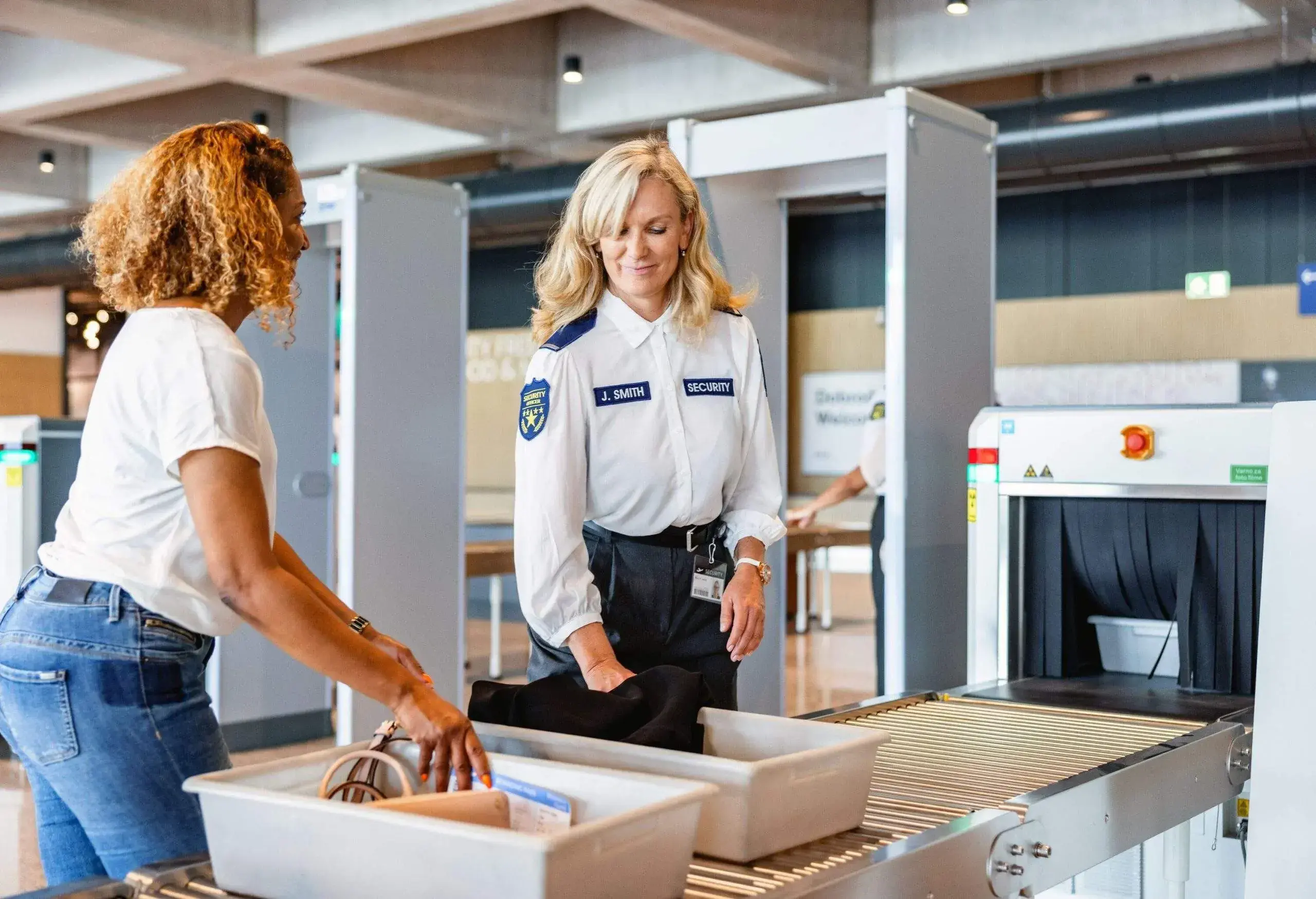


Connecting flights don’t have to be stressful. They can also be a chance to stretch your legs or explore a new city between destinations. Sometimes we even book them on purpose! This guide is here to help you understand the process and share expert tips to make the most of your next connection.
Connecting flights explained
A connecting flight occurs when you fly on two or more planes before reaching your final destination. A flight itinerary may have any number of connecting flights, while a journey with no connections is known as a direct flight.
When you book connecting flights on a single ticket, you’ll typically receive all your boarding passes from the check-in staff at your point of origin. All you need to do is follow signs for connections or transfers at each connecting airport and obey any posted instructions along the way.
Here are the main differences between nonstop, connecting and multi-city flights:
Stopover vs. connecting flight
Here’s a quick guide to common flight terms you should know:
- Stopover (also called a layover): the time you spend in an airport waiting for a connecting flight.
- Connection: switching planes to continue your journey.
- Long stopover: a longer connection (24+ hours) with enough time to leave the airport and explore.
Types of connecting flights
Not all connecting flights are the same. On protected connections, your flights are booked together and the airline handles transfers. Meanwhile, self-transfer connections require you to manage each leg separately.
Booking a connecting flight on KAYAK
When searching routes between any destinations on KAYAK, you’ll automatically receive results that include connections. To adjust your results to include fewer connecting flights or none at all, select your desired number of connections under the Stops filter on the left.
Each result will display the number of stops included and alert you if the connections are going to stretch your itinerary to another calendar date from your departure date. I sometimes seek connections to drive down fares or break up longer flight paths when I have the time to spare.
Baggage on connecting flights
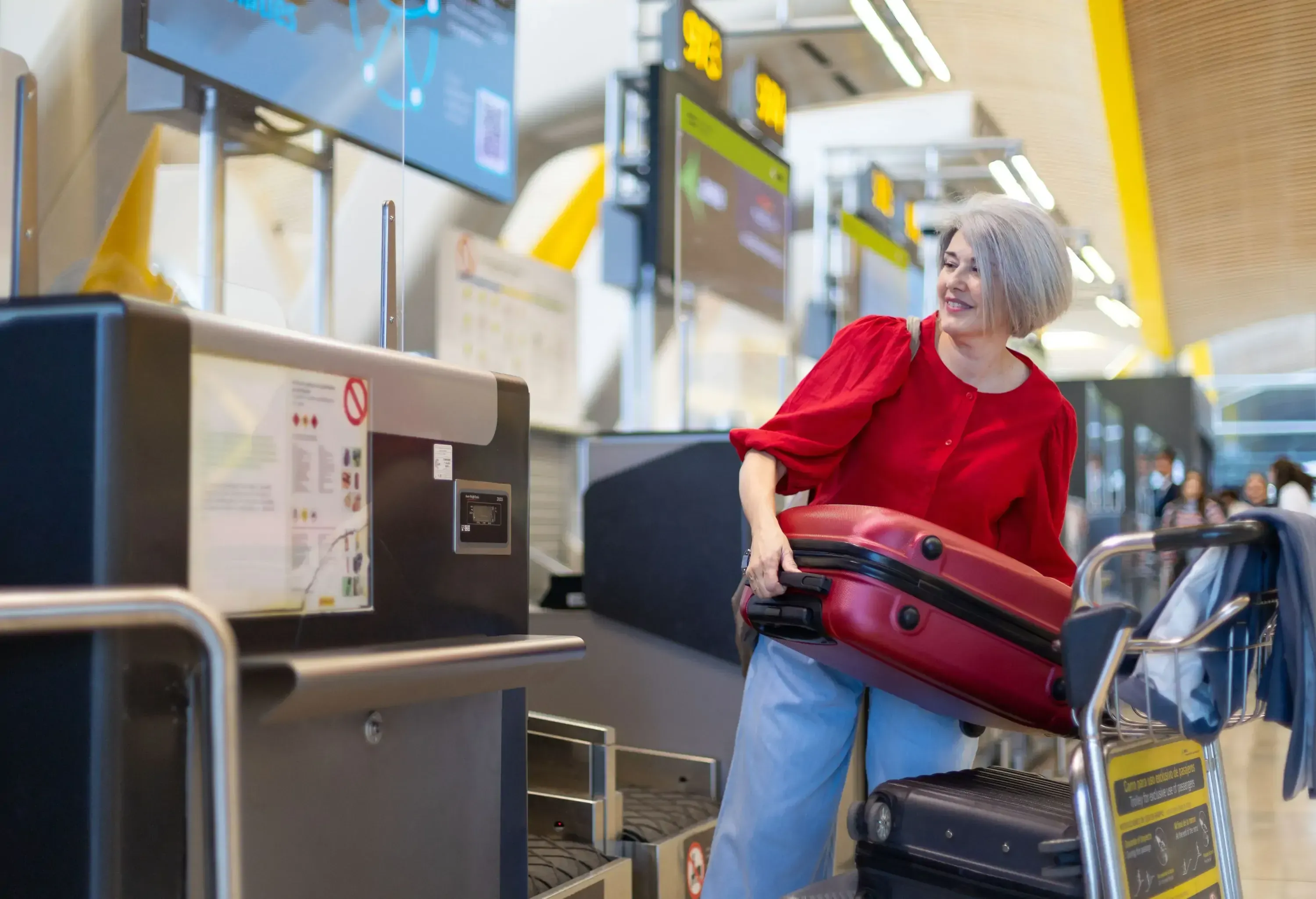
Dealing with checked baggage will vary depending on your destination and ticket type:
- On a single ticket: your baggage will almost always be checked through to your destination.
- Exception: depending on your connecting country’s laws (e.g., upon entering the US or Canada), you may need to retrieve the baggage during your stopover and re-check it before heading onwards.
- Separate tickets: you will need to claim your baggage and check it in with your new airline during your connection.
Need a refresher on whether to check your bag or bring it onboard? Review our hand luggage guide.
Transit visas: What to know
When you’re connecting through another country, you might need a transit visa. In this case, transit visas are required even if you don’t leave the airport. The rules depend on your nationality and the country you’re passing through, so be sure to check before you book.
For a full breakdown, see our comprehensive visa and passport guide.
Missing a connecting flight
Missing a connecting flight is often nothing to worry about. Most missed connections are due to delays of some nature, and your airline will rebook you on the next available flight with the same airline or a partner.
If you miss your connection, no need to panic. Take a deep breath and follow these steps:
- Go straight to the gate or airline desk. Explain your situation. Staff are used to handling missed connections.
- Ask about rebooking. Request the next available flight to your destination.
- Check your luggage. Find out if it’s been forwarded, or if you need to collect and check it in again.
- Confirm onward flights. Make sure any subsequent connections or plans are adjusted before leaving the airport.
Note: if you’ve booked on separate airlines with separate tickets, the missed connection is on you, and you will likely need to pay for a new onward flight.
Tips for smooth connections
Catching a connecting flight can be challenging in some cases, but with these tips, you can come prepared.
Leave enough time in between flights
When scheduling a connecting flight, leave enough time to comfortably travel between gates at your connecting airport. Even domestic connections that don’t require any additional checks can take time, depending on the size of the airport or the length of time it takes to exit the plane after your first flight.
Go to your gate first, then explore the airport
Even if you have lounge access, have some shopping to do, or want to grab a meal at an airport restaurant before heading onwards, find your gate first.
Some airports are enormous, so it’s best to know exactly how long it will take you to reach your new gate, at your speed, before making any diversions. If you miss a reasonable connection because you misjudged your free time, airlines may be less likely to rebook you at their own cost.
Once you’ve confirmed you’re in the right place, you can relax without risking a missed connection.
Speak to a member of staff if delayed
If a delay has caused you to arrive late from your first flight and you’re afraid you won’t reach your new gate in time, speak to the gate staff immediately when exiting the first aircraft.
On domestic itineraries, they can inform the new gate that you’re on your way. If you still need to go through passport control or customs first, they’ll advise whether you need to rebook now or if you can still make it.
Use airline apps to track gates
Airline apps are the best way to stay on top of your connection. They show real-time gate updates, delays, and boarding times, so you won’t have to rely on airport monitors alone. Download the app before your trip and enable notifications to get the most up-to-date information right at your fingertips.
If you require special assistance
If you need mobility or accessibility support, request help as early as possible. Ideally, do this when booking your ticket.
Airlines will provide staff to assist you through connections, from getting to your gate to boarding and collecting luggage.
Under the UK Equality Act 2010, you have the right to reasonable adjustments, ensuring you receive the support you need for a smoother travel experience.

Must-know tips on how to get wheelchair assistance at the airport

FAQs
You can book connecting flights with different airlines by purchasing each leg separately. Make sure to allow plenty of time between flights, check baggage rules, and confirm terminals. Consider travel insurance in case of delays, as airlines won’t rebook missed connections on separate tickets.
In most cases, luggage is checked through to your final destination and you won’t need to go through customs on your connection. Some countries, like the United States, are exceptions. The check-in staff will advise you on your specific itinerary when dropping your bag at your first airport.
Domestic connections rarely require additional security clearance, unless you are required to exit the secure area of the airport to reach your second departure terminal. Most international connections will require a transitional security clearance to ensure you are complying with local laws.
This varies by airline, destination, and circumstance. If you do miss a connection, immediately seek an airline representative to find out whether your bag has gone on ahead of you and will be waiting for you at your destination or whether you need to retrieve and re-check it.
If you are travelling on a single ticket and you missed your flight due to a delay, your airline will generally rebook you at no extra cost. This may happen automatically, or you may need to find a member of staff during the connection. If you are travelling on separate tickets, or the missed connection was your mistake, you’ll likely have to pay to rebook.
Connecting flights are often cheaper because airlines can fill more seats by combining routes through hub airports. They also allow carriers to compete on popular segments and use smaller planes for less-travelled legs, which lowers operating costs. Travellers benefit from these savings compared to direct flights.
Allow at least 1-2 hours for domestic connections and 2-3 hours for international ones, depending on the airport size and whether you need to go through security or customs. Bigger airports or self-transfer flights may require more time to ensure you don’t miss your next flight.