
Dubai is synonymous with luxury, from modern architecture to glamorous malls and some of the most opulent hotels in the world. There are also beautiful beaches, historic neighbourhoods and magical deserts to explore. Now that the trip is in the diary, do you need a visa for Dubai? Let’s find out.
In this post
Do you need a visa for Dubai as a UK citizen?
Dubai entry requirements for UK citizens
What are other visas you can apply for in Dubai?
The 5 best places to visit in and around Dubai
FAQs
Do you need a visa for Dubai as a UK citizen?
Yes, UK citizens need a visa to travel to Dubai, but it’s free of charge and issued upon arrival to the UAE. No advance application is needed ahead of travel, which means there’s no extra admin when holiday planning. British nationals are normally granted a visitor visa on arrival valid for up to 90 days in total within a 180-day period. Extensions are handled by the emirate authorities, so check with Dubai’s General Directorate of Residency and Foreigners Affairs (GDRFA) if you need to stay longer.
Dubai entry requirements for UK citizens
While the visa process is simple, UK citizens do need to meet some criteria for entry into the UAE. Passports must be valid for at least 6 months from the date of entry to the country. You may also be asked to show proof of onward or return travel, sufficient funds for your stay, or a hotel booking. Be sure to check gov.uk for the latest requirements for travel in the UAE, as these can change at short notice.
What are other visas you can apply for in Dubai?

Aside from visiting Dubai as a tourist, you may want to apply to stay there as a student or to work. These will require different types of visas that need to be applied for in advance. Each have very different requirements that must be carefully considered and noted.
- Student Entry Permit: If you want to study in Dubai, you’ll need a student residence visa. To apply, you’ll need proof of enrolment or sponsorship from an accredited institution, supporting documents (such as an acceptance letter, medical fitness certificate, and sponsor details), and any required financial evidence. Sponsorship is normally provided by the educational institution or an eligible UAE resident. Costs vary depending on the sponsor, emirate, and included services (medical checks, Emirates ID, stamping, and university fees), so check with your institution for the total.
- Work visa: To work in Dubai as a UK citizen, you need to find a job first. Your UAE employer will then apply for an employment entry permit and residency visa on your behalf. Standard employer-sponsored work visas have different qualification and salary criteria depending on the role and employer. If you’re considering the UAE “Green” residence visa for skilled employees (which allows self-sponsorship), you’ll typically need a bachelor’s degree and a minimum monthly income of AED 15,000 (around £3,320).
The 5 best places to visit in and around Dubai
Futuristic skyscrapers, pristine beaches, dancing fountains,shopping galore, water parks, and the desert (Dubai has so much to offer UK visitors). Whether you’re looking to tick off all the tourist hotspots or are happy to sit on a sun lounger with a cocktail in hand for most of your trip, here are some of the best places to visit in Dubai.
- Dubai Creek. Take a step away from the modern side of Dubai and stroll along the historic Dubai Creek and explore the many souks, shops and restaurants. Better yet, hop on an abra (a traditional small boat used to ferry people across the creek).
- The Arabian desert. A 20-minute car journey from the centre of Dubai will take you to the Arabian desert, where you can go quad biking or sand surfing, eat local cuisine under the stars and ride a camel.
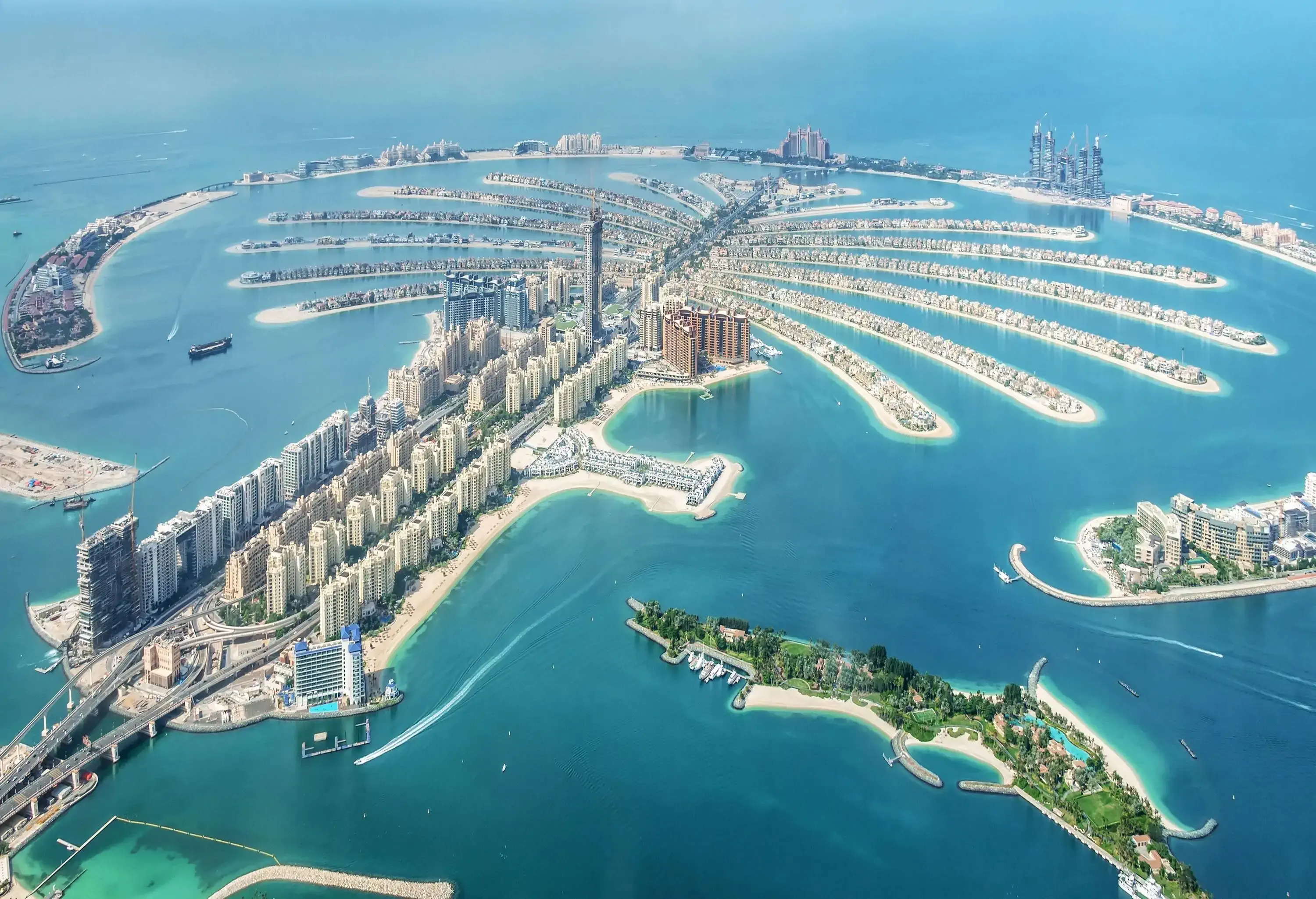
- Go skydiving. Yes, really – if you’re going to try skydiving, it might as well be somewhere with a spectacular and unique view, right? Skydive from 13,000ft and take in the iconic views of the Palm Jumeirah.
- Dubai Miracle Garden. From the butterfly garden that’s home to 15,000 of the winged beauties to hedges snipped into elephants and castles covered in bright flowers, the world’s largest natural flower garden is one for the itinerary.
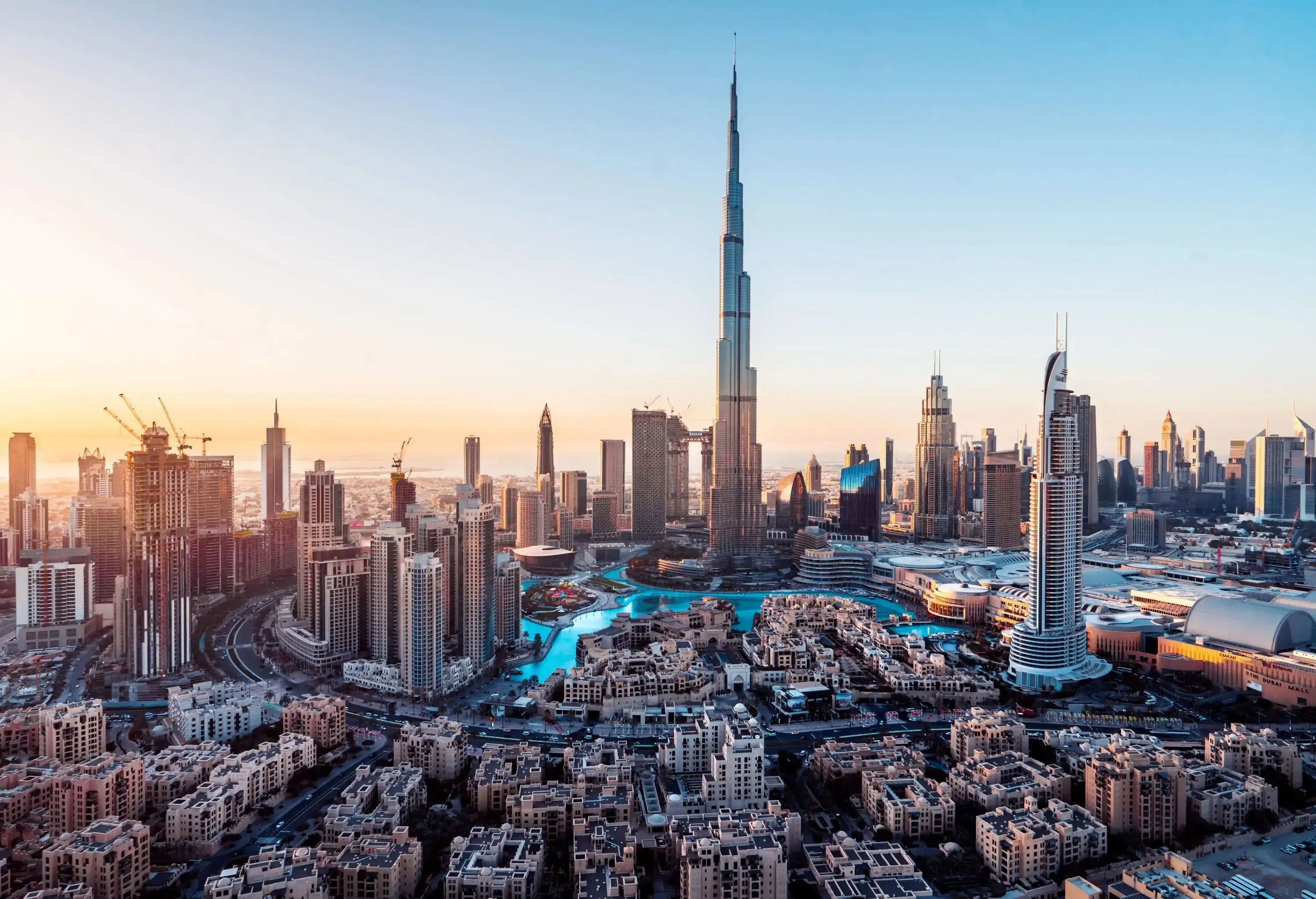
- The Dubai Fountain. Who can say no to a mesmerising musical water fountain display? Situated at the base of the Burj Khalifa, displays begin at 6pm and take place every half an hour until 11pm.
Frequently asked questions about Dubai visas
Yes, UK travellers can apply for a UAE eVisa online as an alternative to visa on arrival. The process requires an application form, supporting documents and a fee, and approved eVisas are emailed to you. Check the official UAE immigration portal or your airline for current eligibility and approved providers.
For eVisas or pre-arranged visas, apply 1 to 2 months before travel to allow for processing (expedited services may be available at extra cost). UK nationals eligible for visa on arrival don’t usually need to apply in advance, but apply earlier for work, student or residency visas as those require sponsorship and longer processing.
It depends. Online eVisas don’t require you to mail your passport, but some visa types or agency/embassy services that issue a stamped visa will require the original passport. If you must send it, use a tracked, insured courier and only deal with official embassy channels or reputable visa agents.
Check the refusal reason from the UAE consulate or visa service, correct any missing documents or errors, and reapply or appeal if the consulate allows it. If you’re unsure why it was refused, contact the issuing authority or a visa specialist for guidance.
Contact your embassy/consulate and the UAE immigration authority (GDRFA) immediately (they can advise on replacement procedures or emergency travel documents). Keep digital copies of your passport and visa to speed up the process and follow official guidance for any fees or paperwork.
There are generally no routine mandatory vaccinations or health checks for travellers to Dubai, but authorities may carry out health screening if there’s an outbreak or if you show symptoms. Always check gov.uk and UAE health authority guidance close to travel for any temporary or country-specific requirements.
The foregoing article was last updated in February 2026. It does not contain legal advice and is for informational purposes only. KAYAK does not guarantee, and accepts no legal liability arising from or connected to, the accuracy, reliability, currency, or completeness of any of the information contained in this article and/or any of the content linked to within it. Always check the official government website of your departure and arrival destinations prior to travel for up-to-date information.