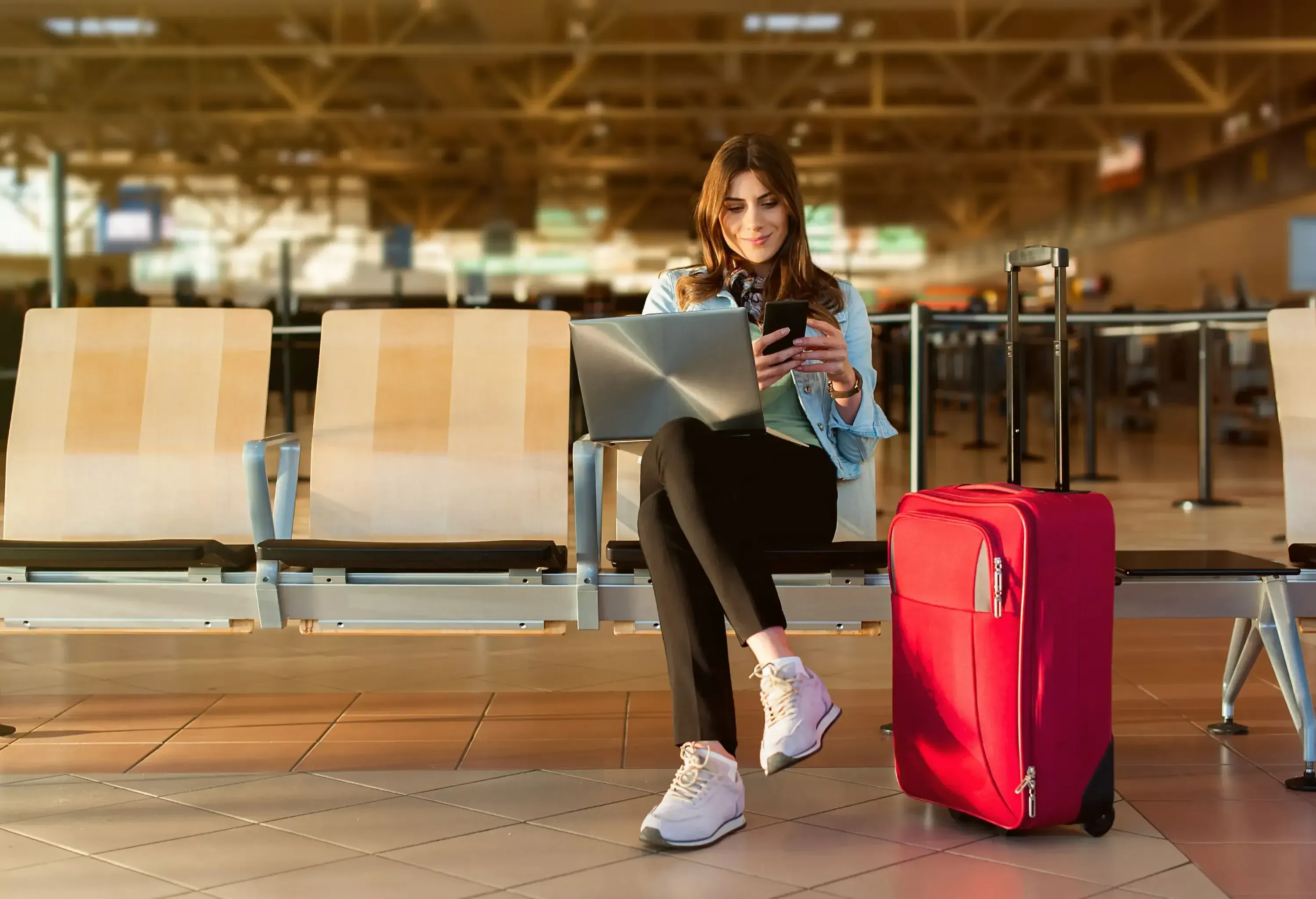


Red-eye flights get a bad rap. Sure, overnight travel has its challenges, but it also comes with perks. These flights are often cheaper than daytime options and give you more time at your destination.
Below, you’ll find out what red-eye flights really involve, plus tips to make them as comfortable and stress-free as possible, whether you’re flying within the UK or around the world.
In this post
- What is a red-eye flight?
- Why book a red-eye flight?
- Tips for booking a red-eye flight
- Perks of flying overnight
- Tips for better sleep on a red-eye
- What to bring on a red-eye flight?
- FAQs
What is a red-eye flight?
A red-eye flight is an insider term that generally means any overnight flight that arrives the next day in the local timezone.
However, since many travellers find it difficult to get quality sleep on overnight flights, they can result in tired, red bloodshot eyes – hence the negative-sounding nickname.
Sometimes, red-eye flights are unavoidable. For example, if you’re headed to somewhere in Asia from Europe, you’re guaranteed to arrive the next day after a long flight. US-bound flights from Europe, meanwhile, operate during the day, allowing airlines to maximise their fleets.
And what time is a red-eye flight? It depends on how long your journey is going to be, but such flights tend to depart in the late afternoon or evening and arrives at the destination the following day.
Why book a red-eye flight?
Despite the bad reputation they have among some travellers, red-eye flights can come with perks throughout the travel journey. Here, a few to consider.
1. Better deals on airfare
Because they’re less in demand, red eyes are typically cheaper than daytime flights. However, on some routes, only red eyes are available, which means you’re not likely to see much savings.
2. Less traffic on the way to the airport
If you have a late-night flight, you may not even have to factor in heavy traffic en route to the airport, which can have a big impact when planning how early to arrive.
3. Lesser crowded airports
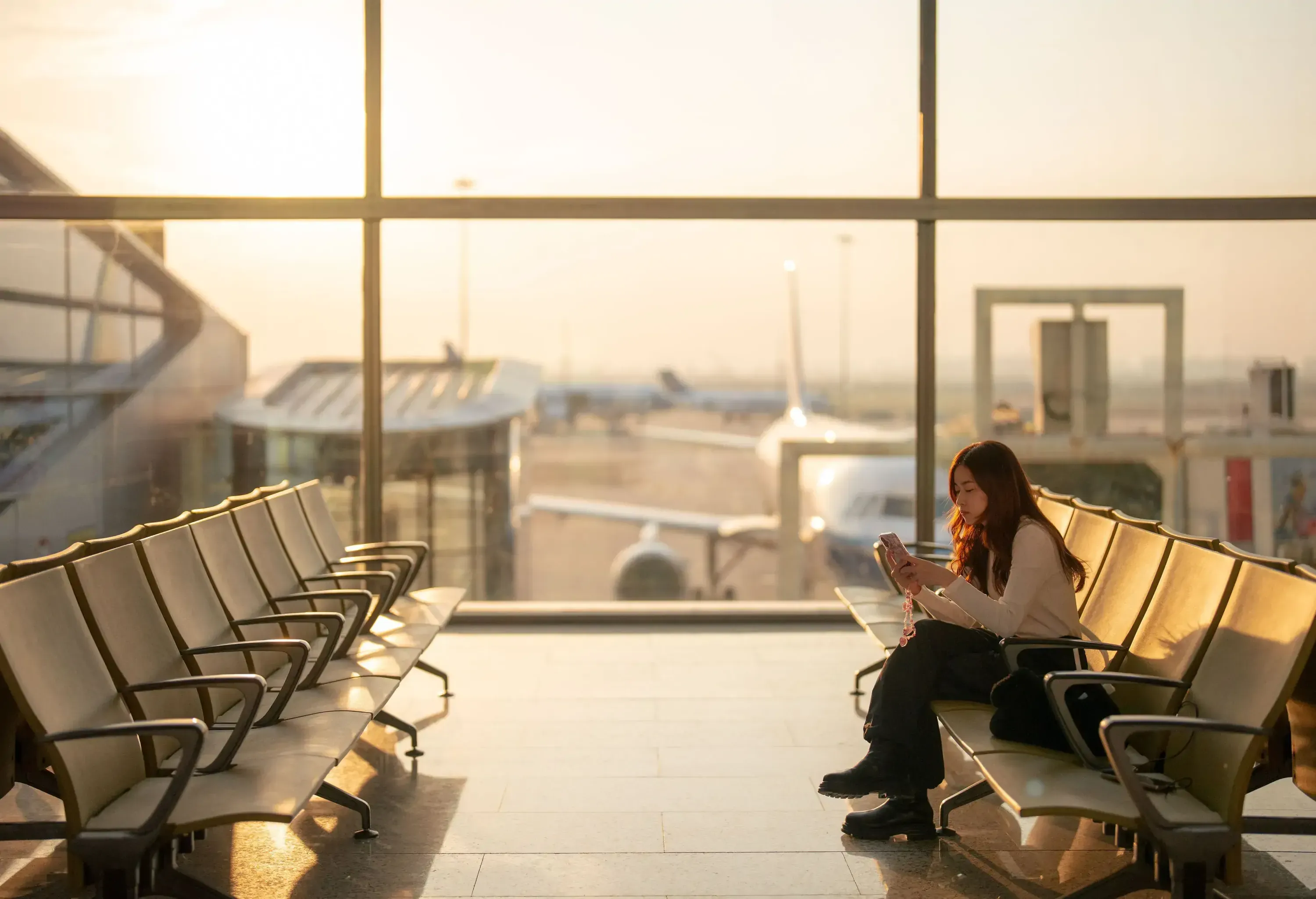
Because fewer people fly during off-peak times, airport tend to be less crowded in the evening. That can also mean shorter check-in and security lines, as well as less crowded airport lounges.
4. More space to spread out onboard
Depending on where and when you fly, you may luck out with an adjacent empty seat or an entire row to yourself, which has happened to me more on red-eye flights than daytime ones.
5. Good timing with kids’ sleep schedules
Some parents actually prefer red-eye flights that coincide with their children’s sleep schedules, which can make overnight flights a smoother experience than daytime ones.
6. More time in your destination
Because you arrive in the morning, you’ll have more time to spend wherever you’re headed.
Tips for booking a red-eye flight
Red-eye or not, there are several tips for flying that will improve your experience on any flight. Red-eyes can require some additional strategies, starting with the booking process. Here, a few quick tips.
Book a direct flight whenever possible
Avoid connecting flights and you’ll eliminate some of the stress and hassle involved with a connection. If a connecting flight is unavoidable, try to book the shorter connection on the front end of the trip when you’re more alert and less exhausted.
Choose your seat carefully
Consider booking a window seat if you plan to sleep so you’re not woken up whenever someone else needs to get up. However, if you prefer to have the freedom to walk around, an aisle seat might be the better choice.
Exit row or bulkhead seats can be well worth any extra fees for a red-eye flight for the extra space they offer too.
Perks of flying overnight
Depending on timezones, flying overnight could mean that you end up arriving to your destination very early in the morning local time. By planning ahead, you can make use of the ‘extra day’ as opposed to seeing it as a travel day. Here are three tips to start your holiday on the right foot.
Request early check-in ahead of time
If hotels have availability, they are often happy to let me check in early following a red-eye. Sometimes, early check-in comes with a fee (which I find is well worth it), but you’ll increase your chances of scoring it for free if you’re a member of a hotel’s loyalty program. Email ahead to make the hotel aware of your arrival time to maximise your chances.
Stash your luggage
If you’re not able to check in early, most hotels will store your luggage for free until your room is ready. That way, you can grab a cup of coffee or a bite to eat and try to get your body clock adjusted to the local timezone.
Check into a day spa
Plan ahead and check out if there’s a spa facility close to your hotel, or even on the premises. For a very reasonable fee, you’ll get access to shower facilities, a pool and often lounging spaces where you can take a quick snooze.
Tips for better sleep on a red-eye
Red-eye flights, by design, coincide with long-haul routes, so prepare to be in a confined space for a considerable duration. KAYAK’s tips for long flights are a great starting point for preparing for a more comfortable red-eye experience. Below are additional tips to make your next overnight flight go smoothly by getting the best sleep possible.
Dress appropriately
Wear soft, comfortable clothes that are more conducive to relaxing. Dress in layers: a lightweight hoodie or sweatshirt can save the day if the flight is chilly, and if it’s too hot, you can easily take it off. Shoes that easily slip on and off are a good idea.
Many medical experts also highly recommend wearing compression socks while flying – and especially on long flights like red eyes. Compression socks can help reduce the risk of blood clots by helping maintain healthy blood flow, and everyone, not just those prone to blood clots, should consider wearing a pair. I like to wear compression socks on any long flight to prevent swelling (which can take days to go down) and to help keep my legs more comfortable while they are not in my normal prone sleeping position.
Bring eye masks, earplugs and travel pillows
Light and sound will be additional obstacles to falling and staying asleep on an overnight flight, so come prepared with an eye mask and something to block out noise. If you can sleep with large headphones, opt for those with noise-canceling capability. Classical music also can distract from surrounding sounds. And, for those who prefer silence, earplugs can come in very handy.
A silk eye mask blocks out light with minimal effects on your skin. And while some claim travel pillows are a waste of carry-on space, I always bring two: one for my neck and one for an elbow or for my seat – wherever I need it more.
Stay hydrated
Aircraft cabins are notoriously dry, so be sure to stay hydrated before the flight and onboard – bonus points if you can avoid caffeine and alcohol, which not only are dehydrating but also can disrupt sleep.
Minimise screen use
Yes, you’ll probably take advantage of the aircraft’s in-seat entertainment to watch a movie (or two). But keep in mind that screens (including those on devices) can disrupt sleep. Lowering the brightness on the screen in front of you and your own devices can make it easier to fall asleep – for both you and fellow passengers.
What to bring on a red-eye flight
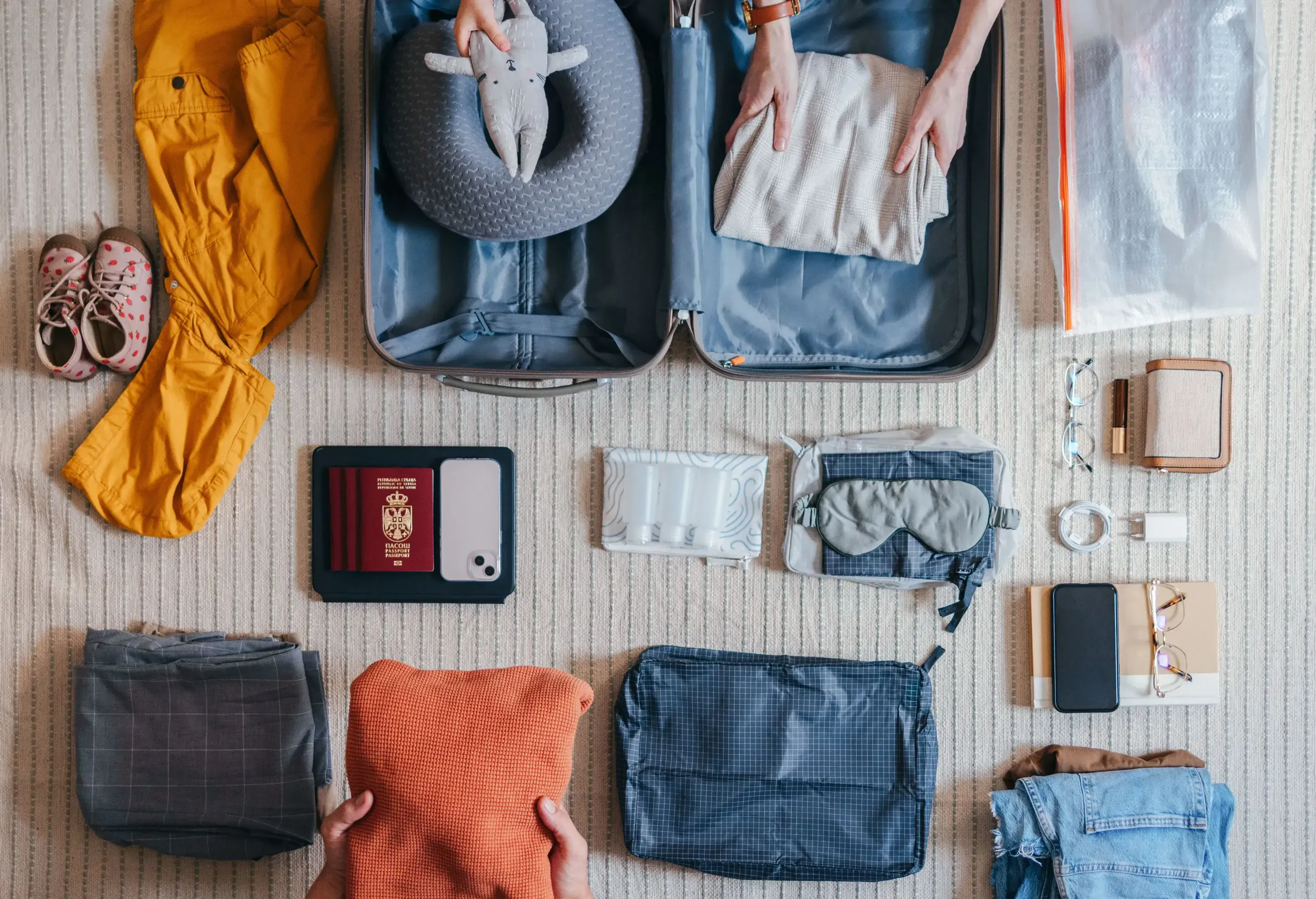
It’s a great idea to make a separate packing list just for your in-flight essentials for a long haul flight. What you will want to take will depend on your personal preferences, but consider comfort and entertainment as your top priorities. My top recommendations are:
- Toothbrush and toothpaste
- Neck pillow
- Eye mask
- Earplugs
- Water bottle
- Book or magazine
- A device with TV shows, films or podcasts downloaded to it in case the in-seat entertainment doesn’t work or isn’t to your taste
- Deodorant and mints to freshen up
FAQs and things to consider before booking
Often. Flight prices are driven by demand, and most travellers prefer to fly during daytime hours, so red-eyes are almost always less expensive. This is because airlines often entice passengers to book these off-peak flights and free up demand during the day. Of course, if a specific route – such as flying to Europe from the US — only has red-eye options, you won’t likely notice much in savings.
Preparation is key. Be sure to pack items that can help you sleep, such as an eye mask, ear plugs, travel pillow, and blanket. Avoid (or minimize) your intake of caffeine and alcohol, which can cause interrupted sleep.
Choose healthy foods that don’t cause indigestion (in other words, perhaps those mile-high nachos aren’t the best bet). It’s also a good idea to avoid food with extra sodium, which can compound the dehydrating effects of an aircraft cabin. Some good options include fruit, vegetables, and lean protein like grilled chicken. And out of respect for your fellow passengers, please avoid the beans.
Jet lag isn’t caused so much by a red-eye flight itself but instead the transition across several time zones. Still, the effects of jet lag can be compounded by poor quality sleep on a red-eye flight. Minimize jet lag by adjusting to the local time zone as quickly as possible; exposing yourself to natural light during morning hours; and avoiding naps if at all possible. Some travelers also swear by melatonin, a natural hormone that can assist in falling asleep.
From a crew and equipment perspective, red-eye flights are as safe as any other flight. That said, if you don’t sleep well on planes, frequent red-eye flights can lead to health issues like higher blood pressure and weight gain. Blood clots are more likely to occur during red-eye flights because people aren’t moving around frequently. You can minimize your risk by taking regular breaks to stand up and stretch and by wearing compression socks.
Yes. There’s no evidence to suggest that red-eye flights pose any significant health risks specifically to children. In fact, small children often sleep on red-eye flights, making it a smoother travel experience overall.