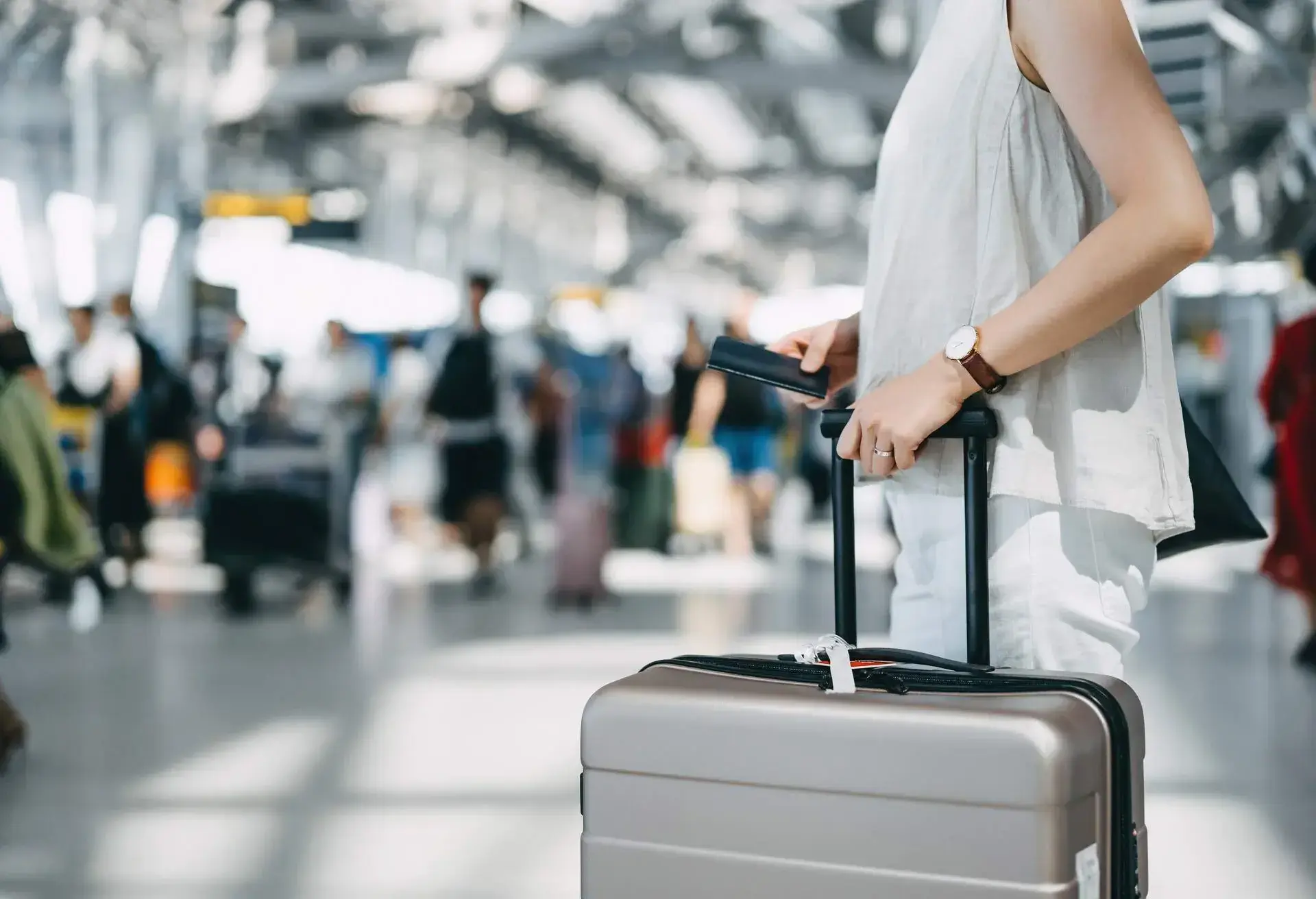


Cabin bag rules aren’t the same on every airline. This guide explains standard cabin bag sizes, airline-specific limits and everything you need to know to avoid unexpected fees at the airport.
- Most common cabin bag size: 55 × 40 × 23 cm
- Personal item must fit under the seat in front of you.
- Many low-cost airlines only include a personal item.
- Cabin bag size, weight limits and allowances vary by airline.
In this article
- Cabin bag vs personal item: What’s the difference?
- Cabin bag size and weight limits by airline.
- Cabin baggage updates for 2026.
- Frequently asked questions about cabin bags.
Cabin bag vs personal item: What’s the difference?
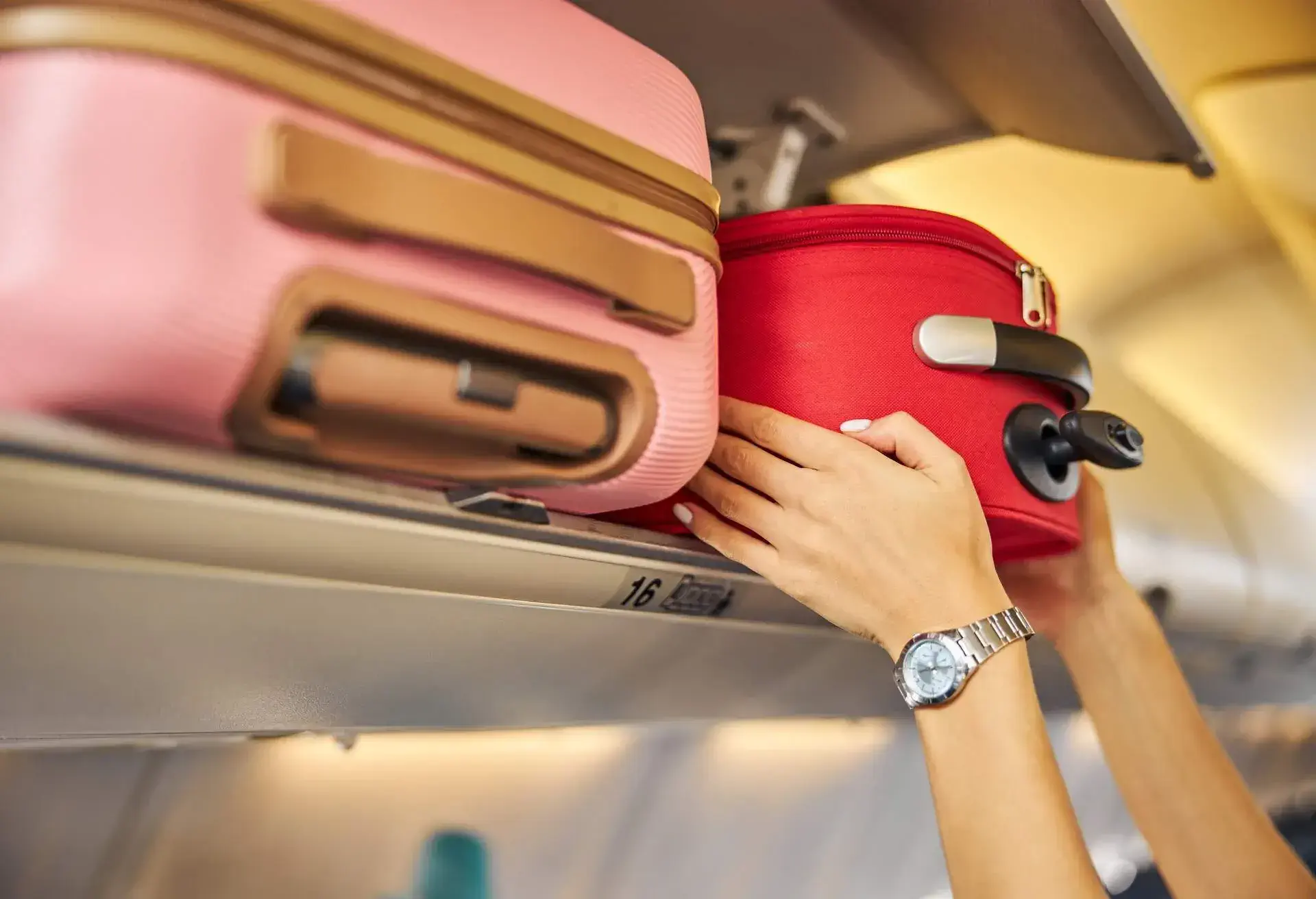
A cabin bag is larger than a personal item and is usually stored in the overhead locker. A personal item must be small enough to fit under the seat in front of you. Depending on the airline and your fare, you may be allowed one or both.
What is a cabin bag?
A cabin bag (also called hand luggage or carry-on luggage) is the larger bag you take into the cabin, usually stored in the overhead locker. Most airlines allow cabin bags measuring around 55 × 40 × 23 cm, although size and weight limits vary by airline and fare.
Typical cabin bags have a capacity of 30–45 litres, making them suitable for short trips or weekend breaks.
What is a personal item?
A personal item is a small bag that fits under the seat in front of you. This is usually a laptop bag, handbag, tote bag or small backpack. Most airlines include a personal item with every fare, although the permitted dimensions vary.
If you’re travelling with baby essentials, mobility aids or other medical equipment, airlines may allow these in addition to your cabin bag and personal item. Check your airline’s policy before you fly.
How to measure your cabin bag.
- Measure the height, including the wheels and handle.
- Measure the width at the widest point.
- Measure the depth, including any external pockets.
- Compare the measurements with your airline’s cabin bag allowance before you travel.
Do airlines check cabin bag size?
Yes. Many airlines check cabin bag sizes at check-in or the boarding gate using bag sizers. If your bag exceeds the permitted dimensions or weight, it may be checked into the hold and you could be charged an additional fee.
Budget airlines such as Ryanair, Wizz Air and easyJet are particularly strict, so it’s worth measuring your bag before you travel.
Cabin bag size and weight limits by airline.
While 55 × 40 × 23 cm is the most common cabin bag size, airlines set their own rules for dimensions, personal items and fare allowances. Use the tables below to compare cabin bag policies before you book or fly.
Airlines with a 55 × 40 × 23 cm cabin bag allowance.
Airlines with different cabin bag sizes.
Key takeaways
- 55 × 40 × 23 cm is the most common cabin bag size among the airlines we compared, although many carriers have small variations.
- Low-cost airlines are far less likely to include a cabin bag on their cheapest fares, with airlines such as Ryanair, Wizz Air, easyJet and Norwegian charging extra.
- Personal item allowances vary much more than cabin bag sizes, making them one of the biggest differences between airlines.
- British Airways and easyJet offer some of the largest cabin bag dimensions among the airlines we compared.
- Qatar Airways has one of the smallest cabin bag allowances, despite being a full-service airline.
- Many US airlines don’t publish a cabin bag weight limit, unlike most European carriers.
Cabin baggage updates for 2026.
Cabin baggage rules continue to evolve, but these are the biggest changes travellers should be aware of before they fly.
Airport liquid rules still vary.
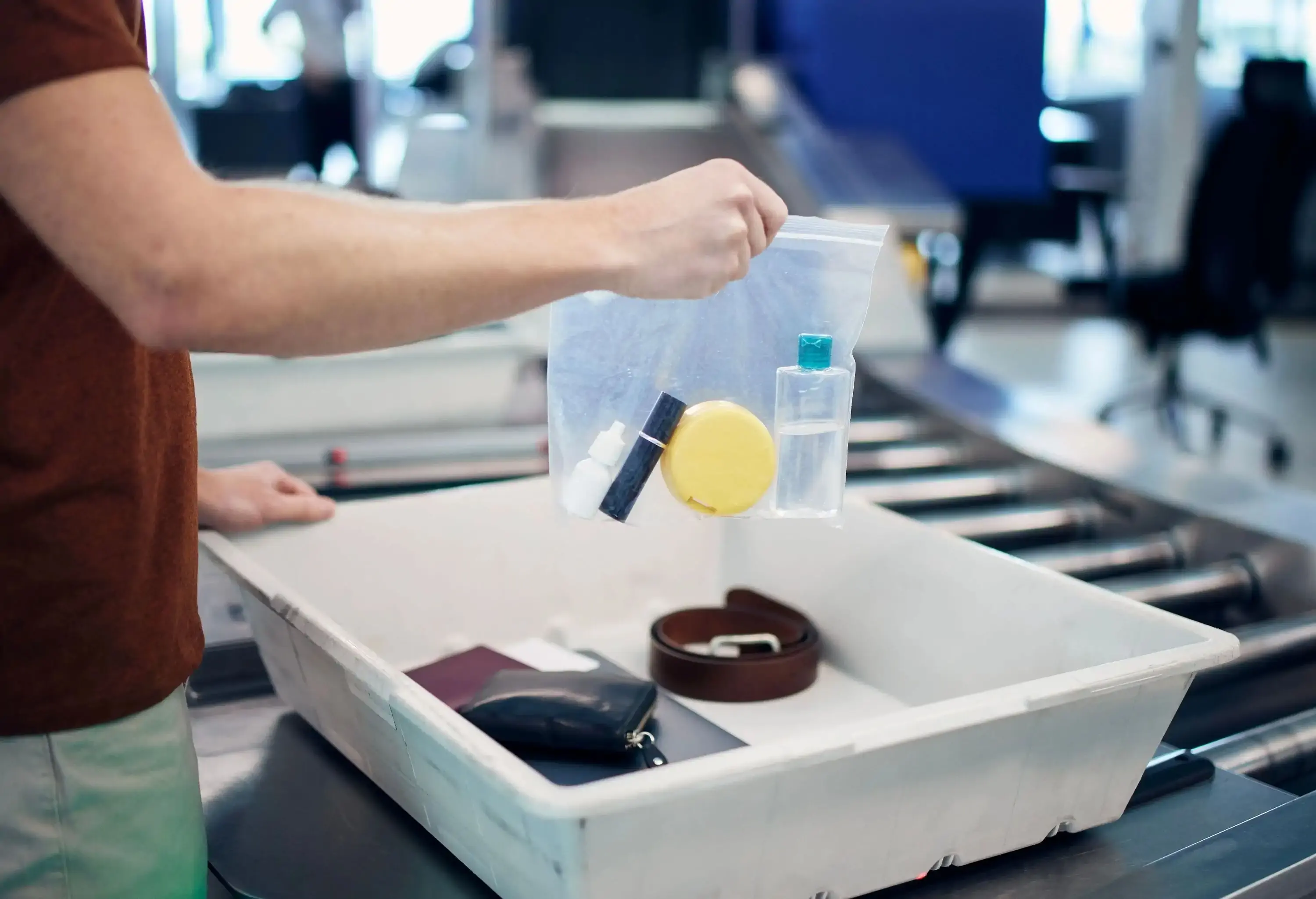
The long-awaited end of the 100 ml liquids rule hasn’t arrived everywhere. While some airports now allow larger liquid containers thanks to new security scanners, many UK and European airports still apply the 100 ml limit. Always check the rules for your departure airport before you travel.
More airlines are tightening cabin baggage checks.
Many airlines are increasing checks at the boarding gate, particularly on low-cost fares. Oversized or overweight cabin bags may be checked into the hold for an additional fee, so it’s worth measuring and weighing your bag before you leave home.
Power bank restrictions are becoming more common.
Airlines continue to tighten the rules around lithium batteries and power banks. Power banks must be carried in your cabin bag rather than checked luggage, and some airlines now restrict where they can be stored or prohibit charging them during the flight. Check your airline’s policy before you fly.
Frequently asked questions about cabin bags.
Personal item dimensions vary by airline, but the bag must fit under the seat in front of you. Laptop bags, handbags, tote bags and small backpacks usually qualify.
No. Many low-cost airlines only include a personal item with their cheapest fares and charge extra for a full-size cabin bag.
If your cabin bag exceeds your airline’s size or weight limit, it may be checked into the hold and you could be charged an additional fee at the airport.
Yes, provided it meets your airline’s cabin bag dimensions. Smaller backpacks may count as a personal item if they fit under the seat in front of you.