WTF What the Future Report 2026.

2026 is shaping up to be the year travellers rip up the old rulebook.

From mini trips to pre-viral destinations, people are rewriting how, where and why they travel. Our 2026 report dives into the trends backed by our data and community insights from TikTok too, that will define the year ahead for travel. But no matter how much things change, one truth remains the same: KAYAK lets you compare all of your booking options so you know you got it right.


Travel is a discretionary spend but remains a high priority for consumers. They’re adjusting to economic uncertainty by favouring off-beat destinations with traveller-friendly policies, and great value in price, services and amenities.

– Steve Hafner, KAYAK CEO

wtf_animation

📱

Not-yet-Tok’d

💳

Booked now,

paid later

🤩

Awe-tineraries

🤖

Your pal, AI

🥂

Wellth trips

🏡

Little big trips

🎟️

The main event

🧘‍♀️

Headspace

holidays

Nanocations

🐑

Soft adventures

4-not-yet-tokd-1920x1312

Not-yet-Tok’d.

The next ‘it’ destination is the one you haven’t seen on your feed yet.

Gen Z and Millennials are calling time out on copy-paste itineraries. 71% of Gen Z and 75% of Millennials say they want to visit places they’ve never been before, posts on TikTok including #hiddengems saw an over 50% increase, and more than 1 in 5 travellers surveyed are actively seeking out destinations that sit way outside the ‘For You’ feed comfort zone.

Travellers are craving confidence – they want to know they are choosing amazing destinations, at the least crowded times, for the best price, because that’s winning.

– Carolina Montenegro, KAYAK SVP Global Brand & B2B Marketing

This isn’t about posting proof anymore. It’s about finding something real. Money and safety still lead the decision making, but right behind them is a growing itch to experience something new – something that isn’t already saturated with filtered sunsets and déjà vu crowds.

So if a place isn’t trending, that’s not a red flag. It’s the selling point.

Explore emerging destinations

1-trips-on-credit-1920x1312

Booked now, paid later.

Travellers aren’t cutting back, they’re just getting creative with how they pay for trips.

In 2026, 30% of Gen Z and 29% of Millennial travellers surveyed say credit or instalment plans will decide how many trips they can actually take. ‘Buy now, pay later’ has officially graduated from retail trend to travel enabler.

And it’s arriving at the right time. Based on KAYAK flight searches, international fares from the UK are on a par with last year (+1% vs 2025), keeping that big trip abroad within reach. Plus, travellers are levelling up their deal-hunting game – the use of flight price alerts is up 52% year over year, while car hire alerts have more than quadrupled.

When budgets are tight, travellers lean on the payment method that gives them the most flexibility. And they expect travel companies to support those options.

– Annie Wilson, KAYAK Chief Commercial Officer

So while 73% of younger travellers say cost is the biggest factor shaping their 2026 plans, they’re not sitting it out. They’re finding new ways to make it work – and KAYAK’s tools are helping them do it.

Set up a price alert

6-gasp-aways-1920x1312

Awe-tineraries.

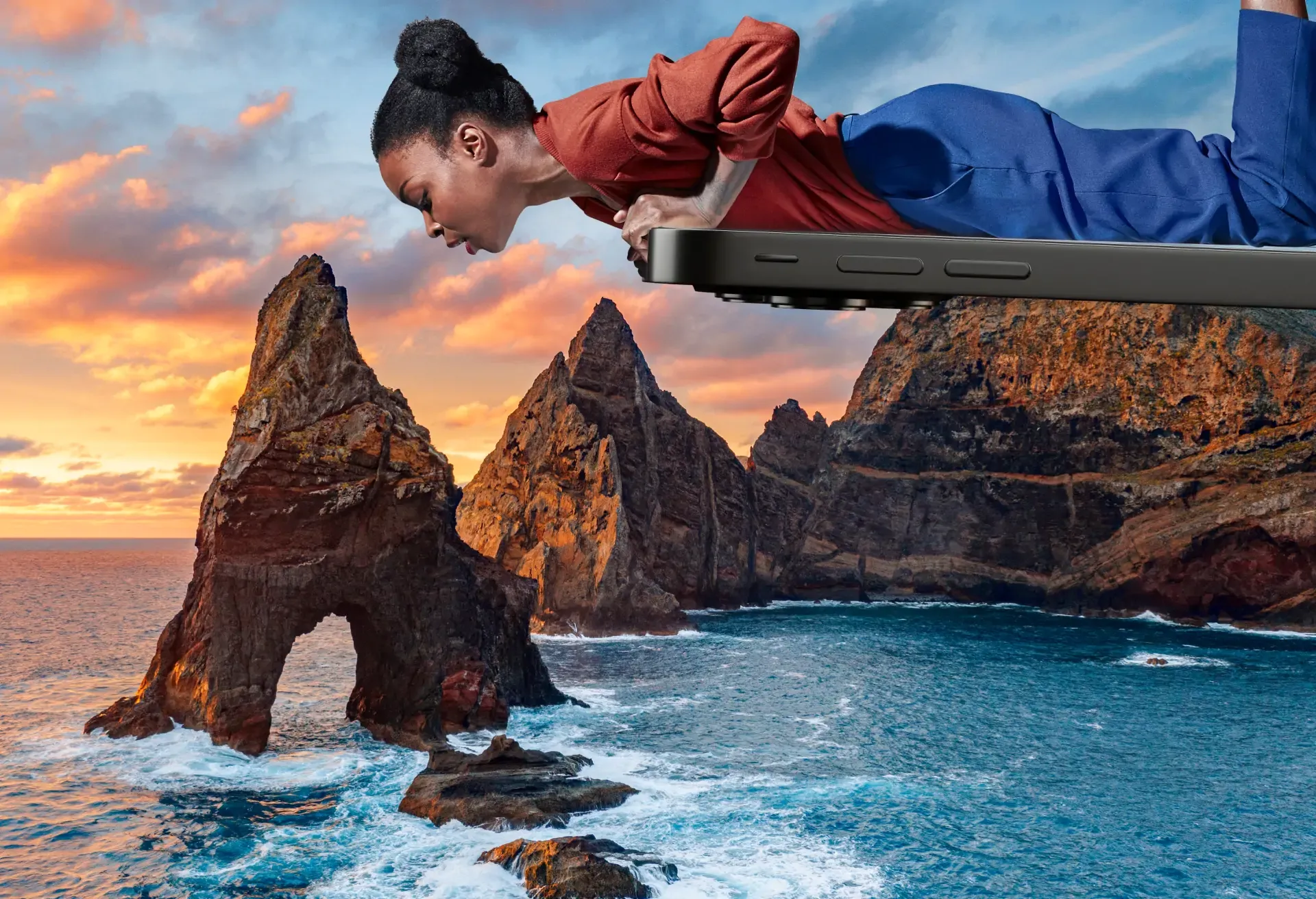
Forget souvenirs – 2026 is the year of goosebumps.

Travellers are chasing moments that make them stop, stare and say, “wow.” From solar eclipses to glowing oceans, it’s all about the kind of experiences you can’t scroll past or stage.

34% of travellers say awe-inspiring experiences are a top priority in 2026 , and 55% say natural wonders will guide their travel plans. Among Gen Z, nature trips are now in the top five holiday types taken, and #glamping saw a +20% increase in TikTok posts – a sign that awe and the outdoors are officially back on the itinerary.*

Unforgettable doesn’t have to be unaffordable.

Check your awe-tinerary

3-bff-ai-1920x1312

Your pal, AI.

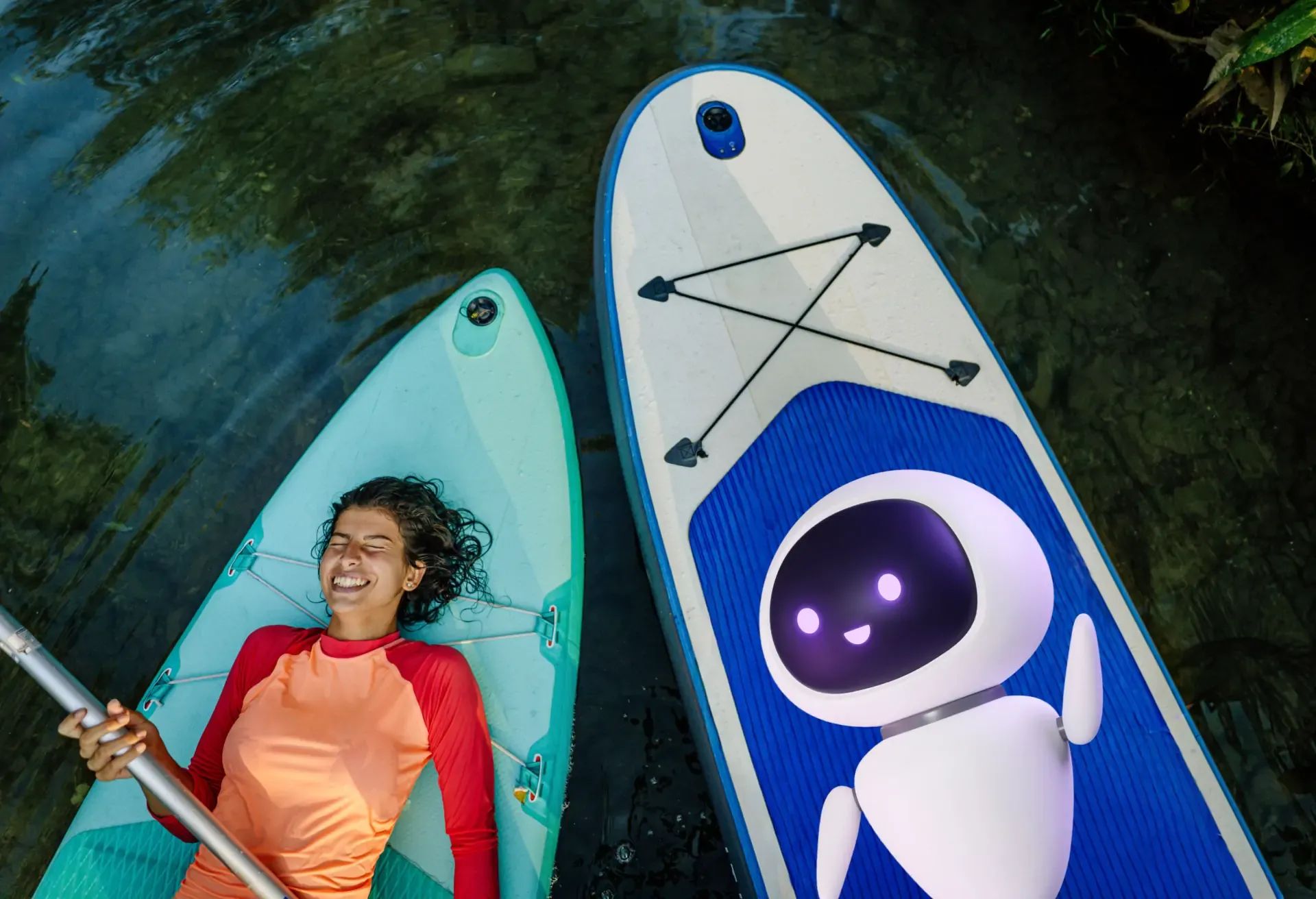
AI has officially joined the group chat – and it’s not on mute.

Remember when you asked your friends for travel tips? Cute. These days, travellers are swapping group chat gossip for guidance from AI.

For Gen Z and Millennials, AI isn’t just a tool – it’s the new travel buddy that actually knows what it’s talking about. 32% say they trust its picks because it pulls advice from millions of sources and 31% say it feels more accurate and up to date than anything their friends send in a DM.

Nearly 6 in 10 travellers say they’d change destinations if AI told them there’s somewhere better, while half admit they’d do it for a better deal.

Travellers are using KAYAK.ai for identifying travel deals – not just for making itineraries. Metasearch’s unique value of comparing prices remains the best strategy for deal seekers.

– Matthias Keller, KAYAK Chief Product Officer

Here’s what travellers are asking their new travel BFF to do:

  • 29% to sniff out deals
  • 25% for on-the-go travel tips
  • 17% to decode visas and local rules

Basically, AI has gone from ‘helpful tool’ to ‘friend who plans everything and somehow gets the upgrade.’

Go to KAYAK AI mode

Destination ideas or personalised itineraries? Far off track! Here is what KAYAK AI Mode users really prompt about:

icon badge-cheapest

Value, best, cheapest
44% of categorised prompts are about finding deals and budget travel options.

icon fee

To fee or not to fee
Checking on travel rules and policies is one of the top 3 prompt intentions (10%).

icon question

Inside-scoop FAQ
Popular prompts ask about hotel amenities and neighbourhoods, plus flight choices like stopovers, seasonality and airport flexibility.

5-wellth-travel-1920x1312

Wellth trips.

Luxury is getting a wellness makeover.

For Gen Z and Millennials, ‘wellth’ is the new wealth. 69% say mental reset is their top reason for travelling, and 70% plan to spend more on luxury trips in the future. But their idea of luxury looks a little different. It’s less about showing off and more about showing up rested.

43% say spa or wellness treatments make a trip feel lavish, and 35% go for exclusive experiences.

36% of travellers want fine dining, with dining in high‑end restaurants rising 12%**, while experiential dining like wine tastings or set menus increased by 47%** in 2025 according to OpenTable.

For 1 in 5 travellers, it’s the small stuff – a quiet morning, better coffee or that just-right hotel pillow – that makes the difference. Or simply some extra sleep. For this, try the KAYAK Explore Sleepcations filter to find destinations within your budget that are perfect for rest.

The data backs it up by a 150% surge in #wellnesstravel use by TikTok creators, with KAYAK searches for Business Class flights up 9% year over year. Travellers aren’t chasing status – they’re chasing comfort.

Visit our sleep tourism guide

2-little-big-trips-1920x1312

Little big trips.

The big-city rush is out, small-town charm is in.

For many Gen Z and Millennial travellers, the next great escape isn’t a fast-paced city break, but a laid-back stay in a small town. In 2026, 84% say they’d rather visit a rural area or smaller city than a major hub.

Smaller prices and crowds help, but the real draw is authenticity. 37% want a more genuine experience – the kind you find at local bakeries, quiet harbours or hole-in-the-wall diners. And yes, social media still plays its part. One in 6 travellers say they’ve been inspired to visit lesser-known spots after seeing them online.

If you’re ready to swap skyscrapers for cobblestone streets, KAYAK AI Mode can help you find smaller cities that fit your vibe and your budget. Think of it as your shortcut to discovering places you didn’t know you were looking for.

Tour townsized destinations

A skyline of an old town dominated by classic brick-roofed buildings, a Romanesque domed church and soaring bell towers.
grey-bg

TikTok is reshaping how people explore the world and is home to a vibrant culture of search and discovery when it comes to planning travel. KAYAK has identified a number of emerging travel behaviours that we are seeing play out in real-time on TikTok, and we’re thrilled to see these trends take shape in the year ahead as travellers plan their next trips.

– David Hoctor, Vertical Director of Travel, Global Business Solutions at TikTok

The main event.

In 2026, the destination is wherever the action is.

From stadium anthems to championship chants, travellers are building their itineraries around moments that make headlines.

95% of Gen Z and Millennial travellers say they plan to travel for a major event in 2026, whether it’s a concert, festival or global sports showdown. Music leads the charge with 39% hitting the road for live shows, followed by 34% for sports, 26% for cultural festivals and 30% for unique performances in unexpected places.

Big stages mean big travel plans. There’s a global football tournament taking over the US, Mexico and Canada (good news: KAYAK has a multi-city search feature that will let you hit up several stadiums – learn more here). The winter games land in Italy and the pan-Asia games head to Japan. Add global tours from major performers and 2026 is shaping up to be one loud, unforgettable year.

So pack your earplugs and your passport – it’s going to be a busy summer.

Try out multi-city sorter

8-headspace-holidays-1920x1312

Headspace
holidays.

It’s not about seeing more, it’s about thinking less.

Travel used to be about seeing as much as possible. Now it’s about finally catching your breath. In 2026, more travellers are slowing down – not out of laziness, but for mental health.

69% say relaxation and mental reset are their top priorities, and 51% say travelling at a slower pace helps clear their head. Nearly 4 in 10 even say it widens their perspective.

For 26%, it’s all about quality over quantity – doing fewer things, but doing them well. Think long lunches, not jam-packed days. Still, real life gets in the way: budgets, limited annual leave and group travel top the list of what keeps people from fully embracing the slow lane.

The verdict? #slowtravel registered an almost 330% post increase within the TikTok creators community. It isn’t about going nowhere, it’s about going mindfully – and coming back fully revived.

To find a destination that’ll get you in the right headspace, ask KAYAK AI Mode to give you ideas on the top destination to help you unwind.

Find destinations to unwind

Top 10 destinations to unwind recommended by KAYAK.ai

An islet with a sheltered bay surrounded by rugged slopes covered in vegetation.

Azores, Portugal

Volcanic islands, hot springs, few tourists

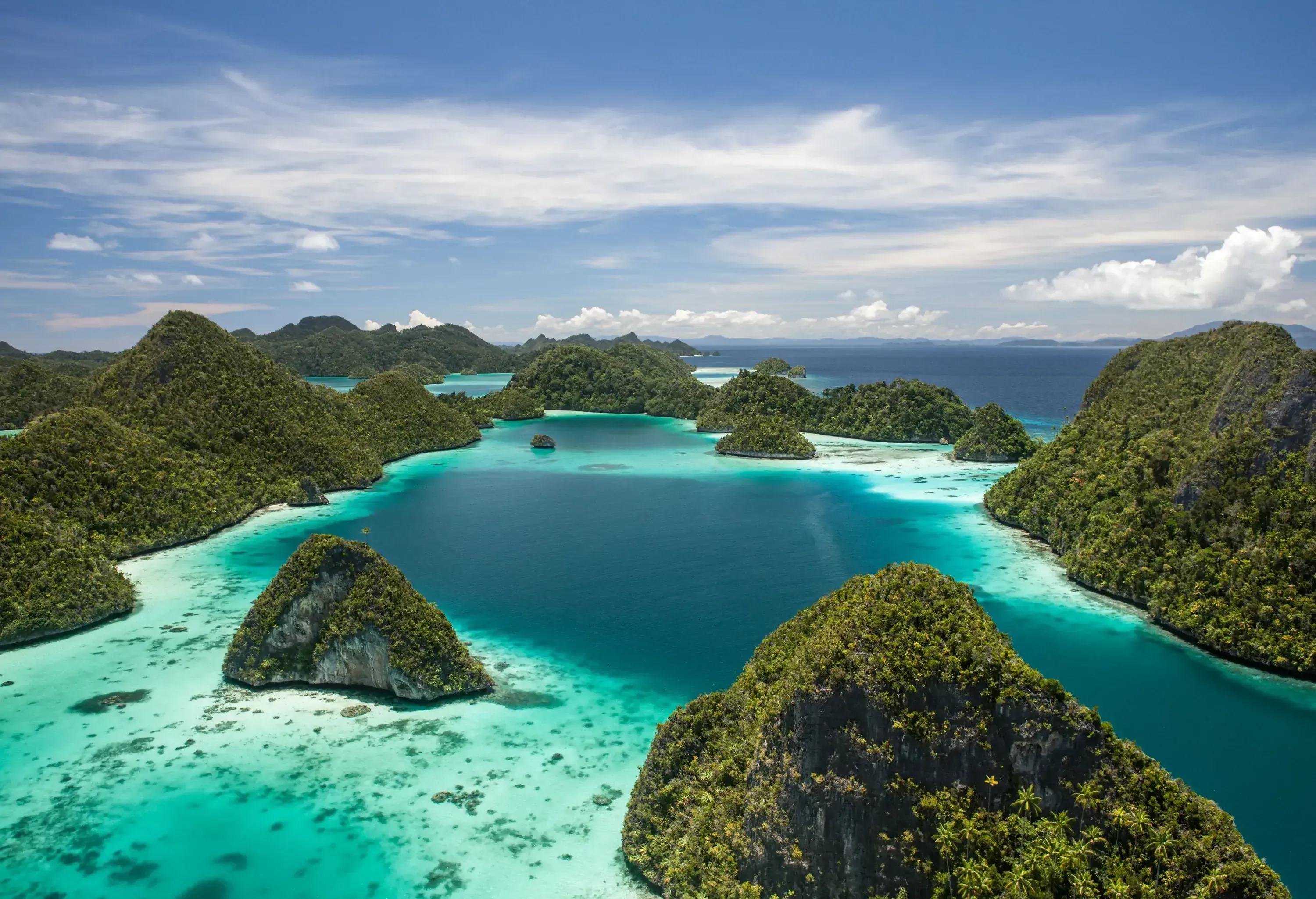
A group of islands of various sizes protrudes from the shallow, crystal clear, tranquil waters.

Raja Ampat, Indonesia

Unspoiled islands, diver’s paradise, raw nature

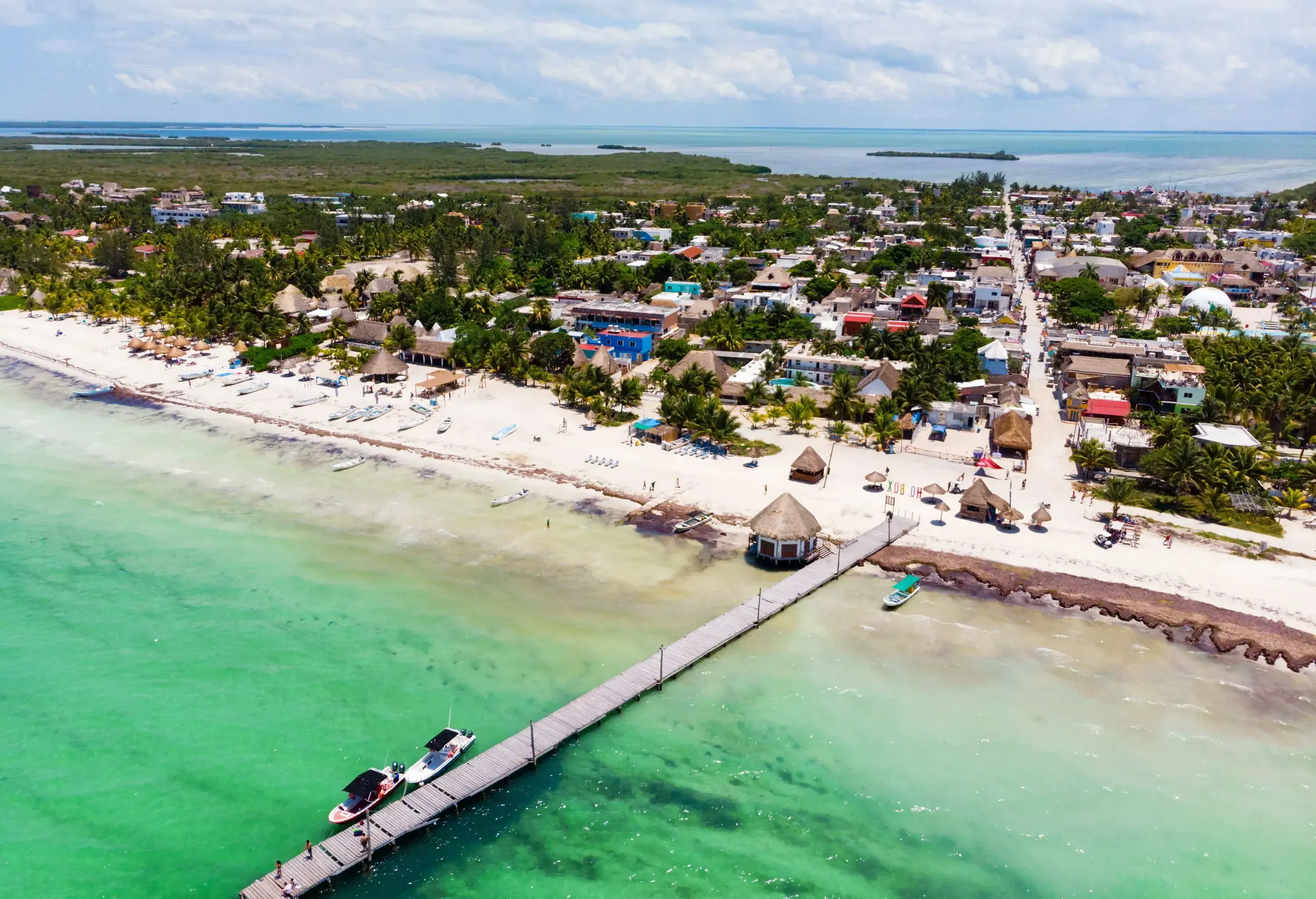
In a small seaside village, a long floating dock extends into the sea with two identical boats.

Isla Holbox, Mexico

Sand streets, hammocks, no cars

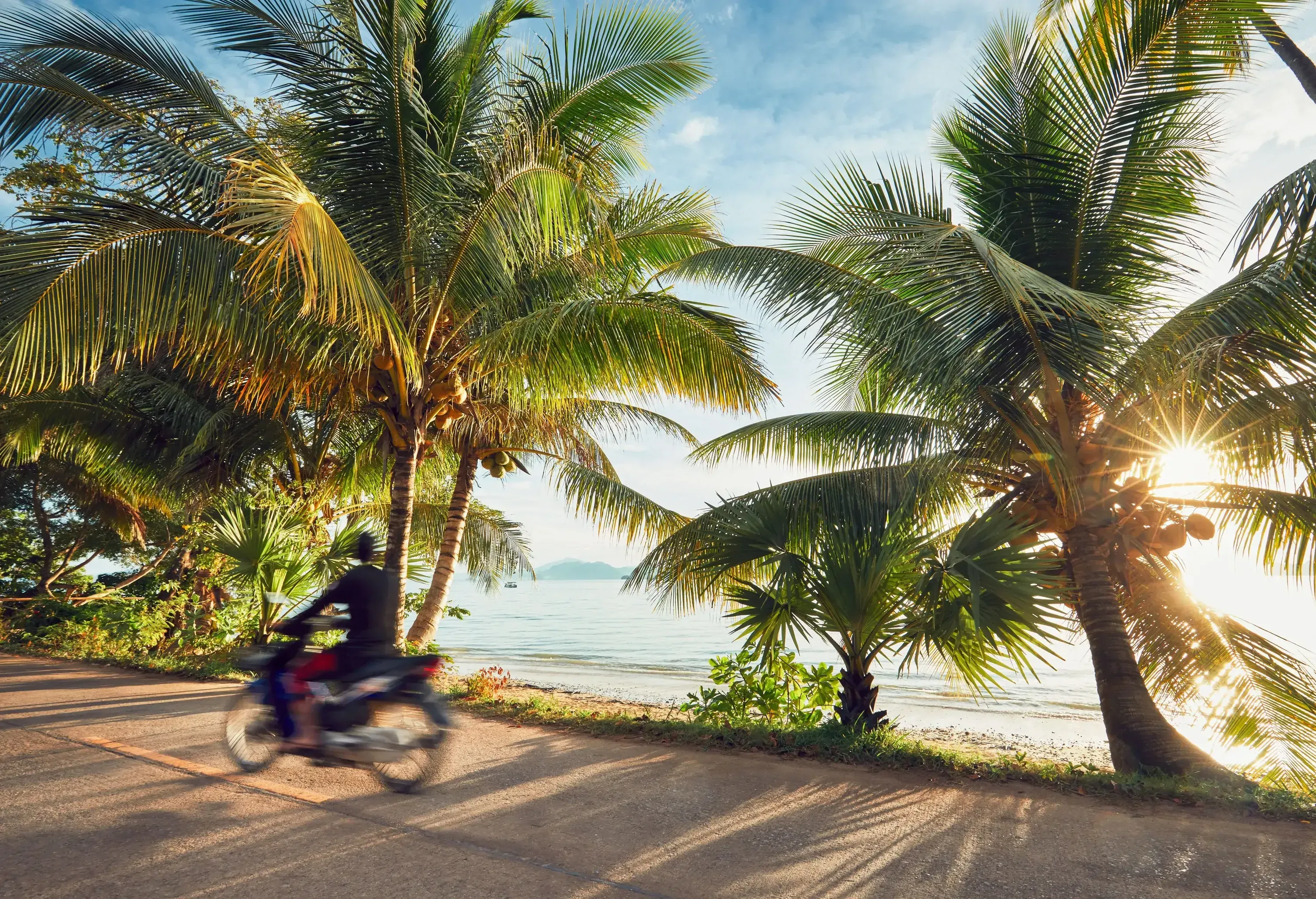
A motorbike rider cruises along the picturesque roads of a tropical island, basking in the warm golden glow of the rising sun.

Koh Yao Noi, Thailand

Quiet beaches, authentic island life

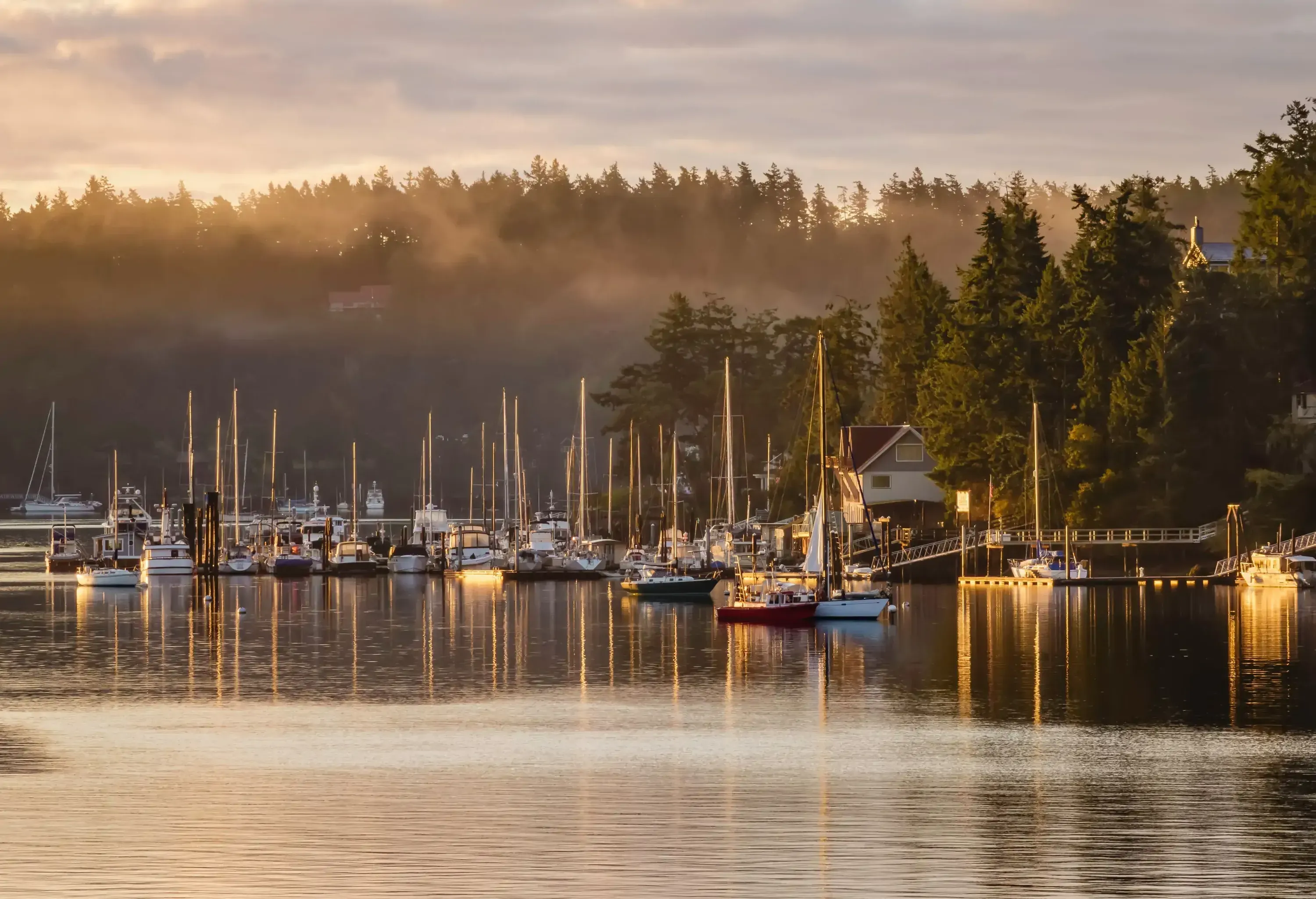
Sailboats serenely anchor in a mist-laden marina, embraced by the gentle embrace of fog, with trees adorning the banks.

San Juan Islands, USA

Orcas, forests, relaxed atmosphere

Sun umbrellas and beach chairs set up on a sandy beach, overlooking a tranquil bay with distant mountains and buildings.

Albanian Riviera, Albania

Turquoise water, low prices, not crowded

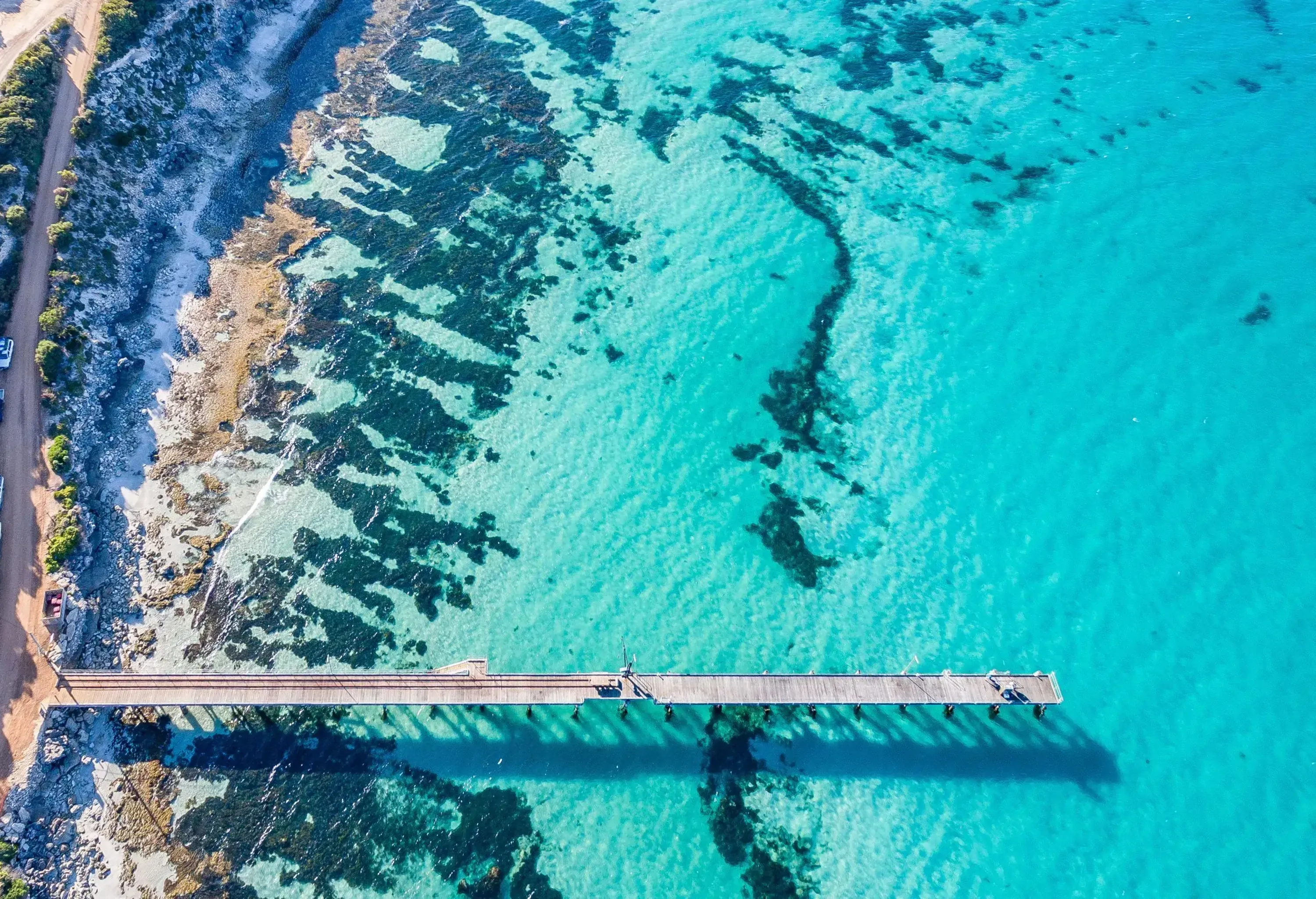
A jetty across a turquoise ocean along a beachside road with parked cars.

Kangaroo Island, Australia

Wild nature, beaches, kangaroos included

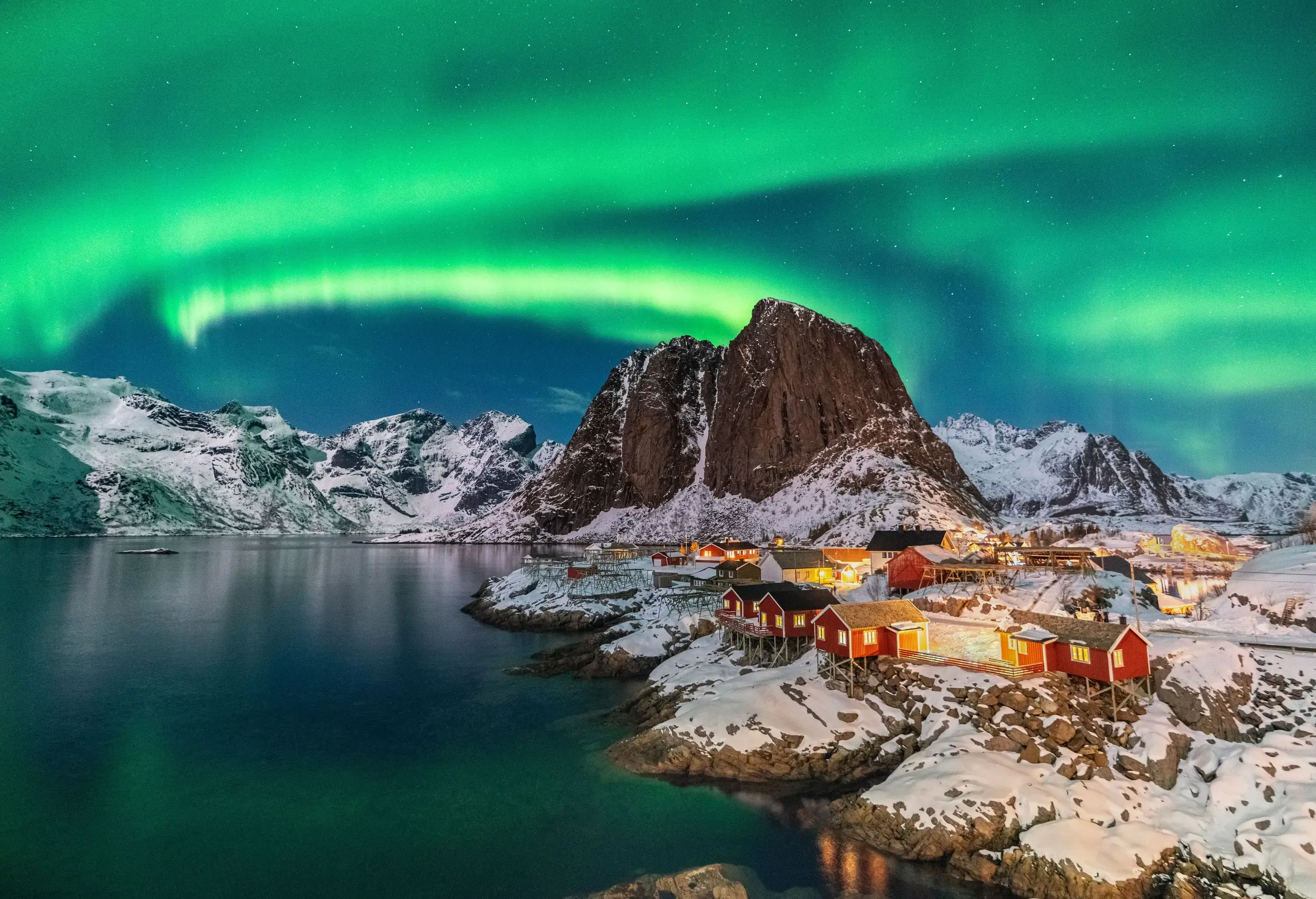
The dazzling Northern lights colour the sky green and blue over a small village along the lake bounded by steep rocks.

Lofoten, Norway

Dramatic landscapes, small villages, northern lights

A shady section of a beach with palm leaves draping over it and views of boats in the water nearby.

Caye Caulker, Belize

“Go Slow” island, Caribbean vibe, chill bars

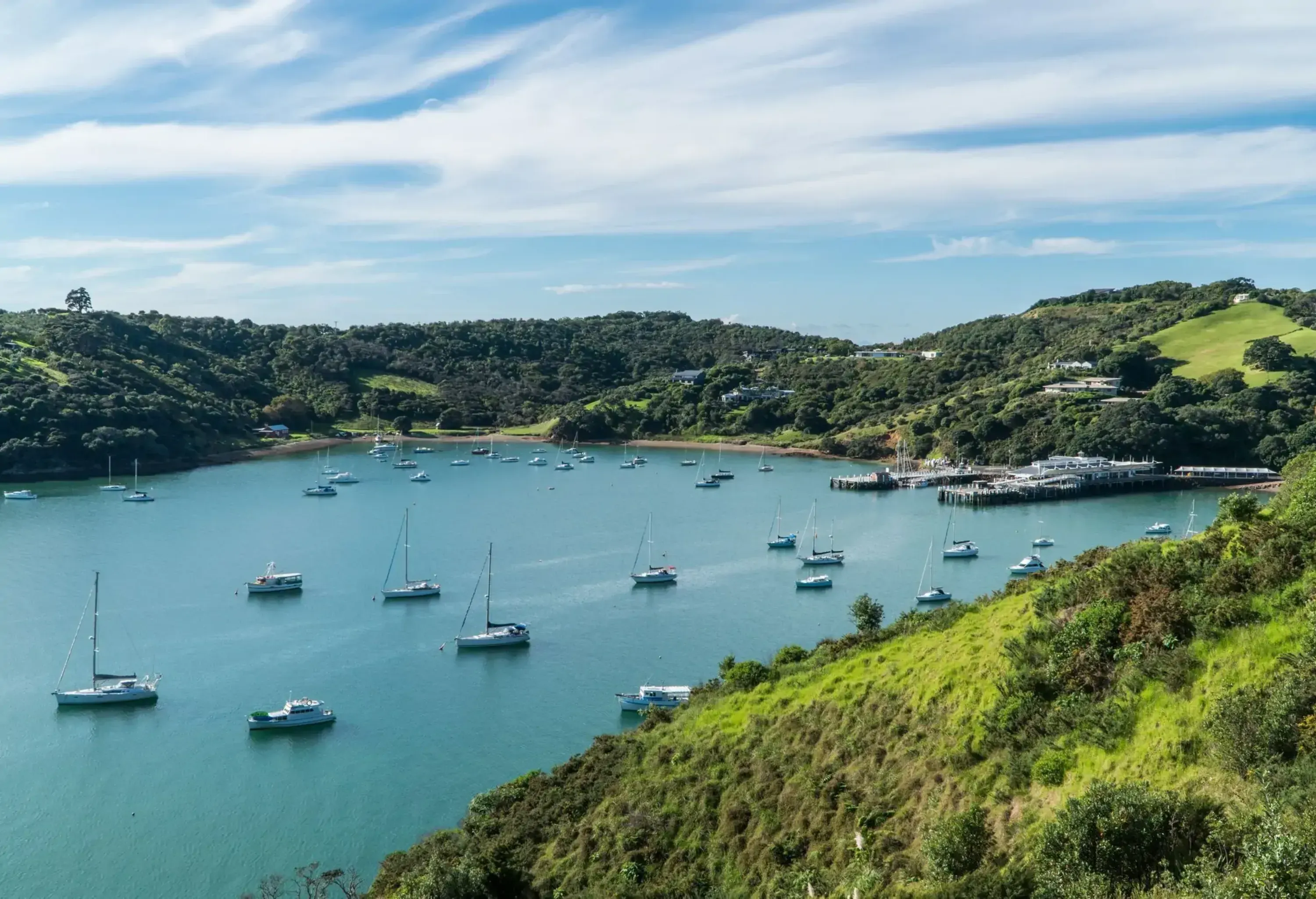
Waiheke Island, New Zealand

Vineyards, beaches, artists

7-instant-vacations-1920x1312

Nanocations.

Some travellers are taking more short trips that deliver instant refresh and maximum reset.

Who decided holidays have to be long? In 2026, more travellers are ditching the countdown-to-summer-break mindset and chasing short, spontaneous getaways instead.

Nearly 66% plan to take several shorter trips in 2026, proving that you don’t need two weeks off to hit reset. These mini escapes deliver the same refresh in half the time – and with far less planning.

Call it the age of ‘treatonomics’ – the idea that small indulgences aren’t luxuries anymore; they’re necessities. The share of flight searches for 1-4 day trips has increased by 8% within a year, while the use of #weekendgetaway increased by 60% on TikTok. Travellers want freedom to go away when the mood hits, not when the calendar says so.

Flexibility is key too. 48% want plans they can change at the last minute, and 19% want experiences tailored to their mood once they arrive.

Short trips, big payoff. Because sometimes all you need is one good night away to feel like a new person.

Try our weekend filter

10-soft-adventurers

Soft adventures.

Adventure doesn’t have to mean
roughing it.

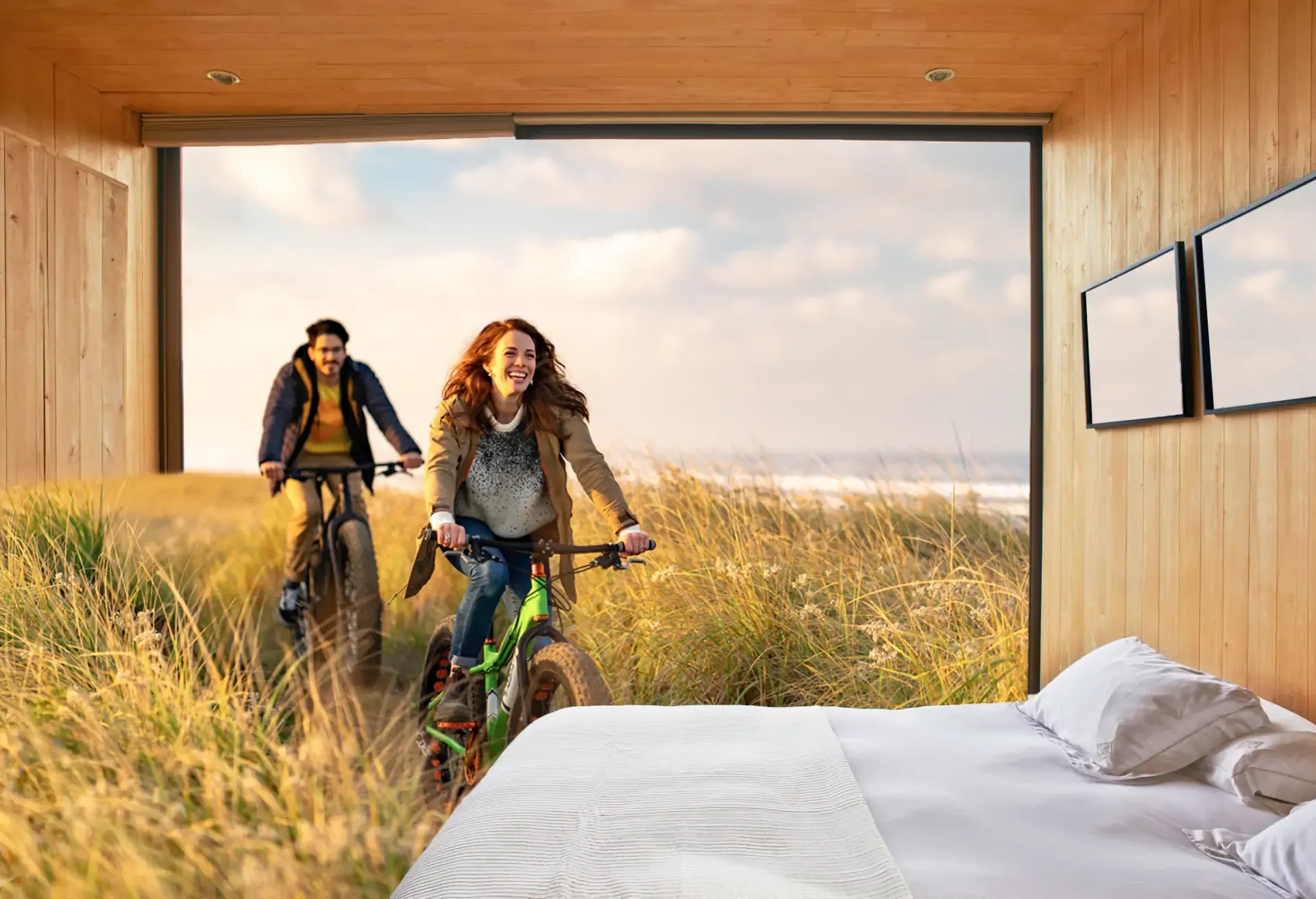
Today’s travellers want the outdoors with good wine, soft towels and a touch of comfort. They’re trading in tents for chic hotels and adding spa days to their hiking itineraries. Call it the new outdoors: scenic hikes in the morning, local wine at sunset, fresh linens waiting back at the room.

With wanderlust amplified, #adventuretravel rose almost 10% on TikTok. Nearly 1 in 4 travellers now mix light adventure with relaxation, choosing activities like hiking, cycling or paddleboarding and with time for a nap afterwards. Another 14% call themselves ‘adventure and nature seekers’ and 13% plan to travel for at least three months in 2026.

icon terrace

+12%

searches for terrace or patio

icon spa

+11%

searches for hot tub

icon fitness-center

+10%

searches for gym

Comfort isn’t an afterthought either. Looking at amenities, searches for a terrace are up 12%, hot tubs up 11% and gyms up 10% year over year. Not too shabby.

Find your next adventure

Methodology

Travel trends for 2026 were identified based on an online survey conducted by WALR among 2029 Gen Z and Millennials residing in the UK who have travelled domestically or internationally within the past two years, and plan to travel domestically or internationally in the upcoming year. Fieldwork took place between October 1 – October 8, 2025. Data has been collected adhering to MRS (Market Research Society) and ESOMAR guidelines to ensure ethical and accurate data collection.

The survey insights regarding the desire to visit new destinations are based on an online survey conducted by PureSpectrum among 1,013 consumers residing in the UK who travel internationally for leisure at least once a year. Fieldwork for the research took place between August 13 and 20, 2024.

Based on flight and hotel searches made on KAYAK.co.uk and associated brands in the period between April 1, 2025 and September 30, 2025 for travel between January 1, 2026 – December 31, 2026 from any airport in the UK. They were compared to the same search and travel period in 2024 and 2025. All prices are average prices for Economy return tickets. Prices may vary and savings cannot be guaranteed. Percentages for differences in prices are approximate.

Emerging destinations are defined as destinations with the largest year‑over‑year improvement in rank based on flight searches, where ‘rank’ is the destination’s position when ordered by total search volume for the specified search dates (rank 1 = highest search volume). Destination exclusions may have been applied in cases of insufficient data or according to the official travel advisory at the time the analysis was conducted.

All flight prices to Awe-tinerary destinations reflect the average cost of an Economy return ticket to the country in which the destination is located.

TikTok analysed video creation trends and hashtags used by its community between January 1, 2025 and November 30, 2025. These were then compared to the hashtags added during the same period in 2024.

* Based on GWI survey data. The target audience consisted of 7,243 participants from Generation: Gen Z residing in the UK. A stratified sampling method was used to ensure representation across key demographics such as age brackets, gender and geographic regions. Respondents were recruited through online panels known for their accurate representation of the UK internet-using population.

**OpenTable looked at the number of seated diners, Experiences, and restaurant price points from online reservations for all active restaurants on the OpenTable platform globally from January 1 – December 10, 2025 and compared it to the corresponding time period in 2024. The price point is determined by restaurants.